October is here, Halloween is approaching, and before we know it we’ll be heading into the Christmas and summer holiday season.
For many families, that means something else is about to increase too:
Sugar.
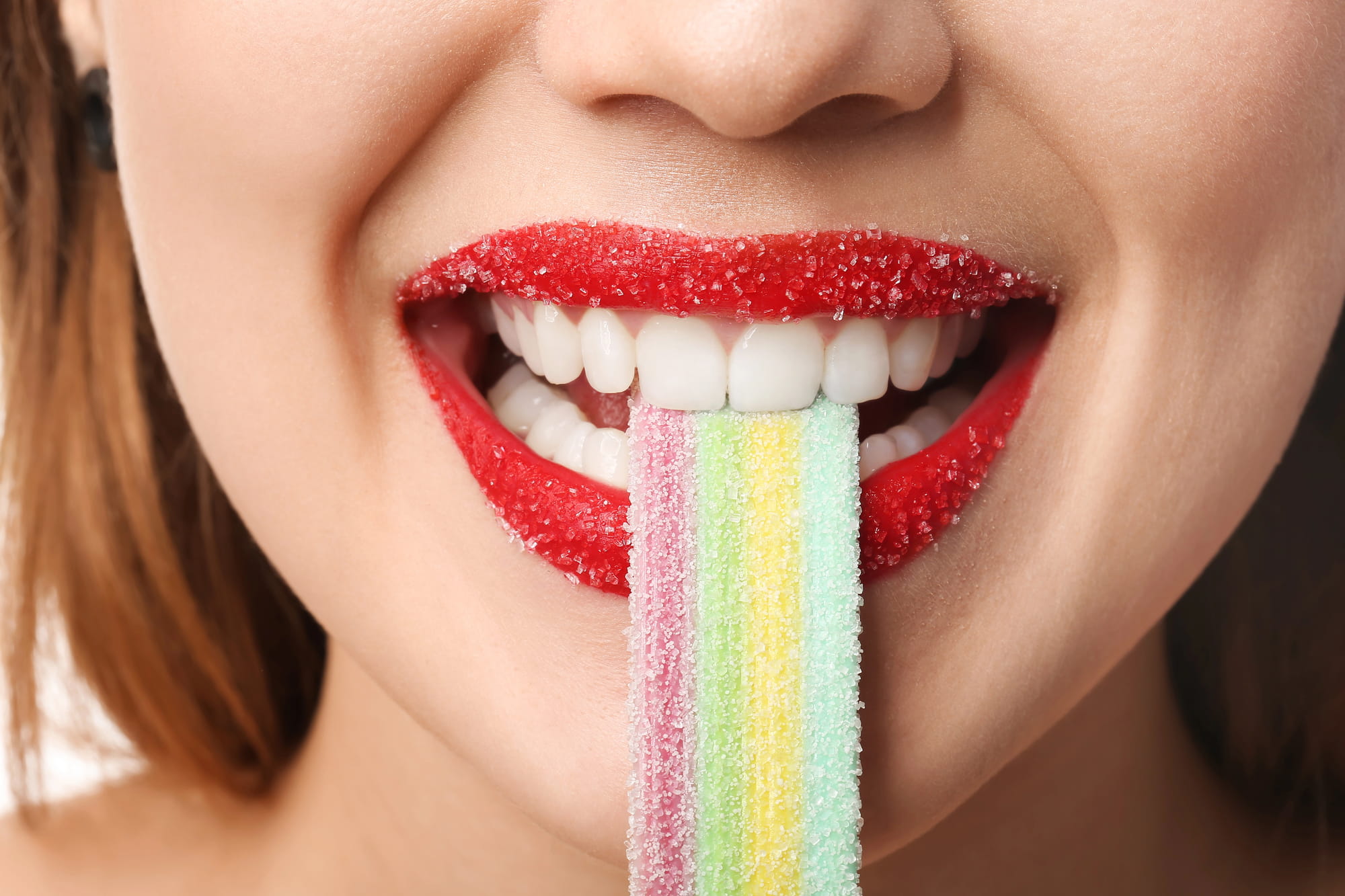
Halloween lollies. Birthday parties. Christmas treats. Soft drinks. Ice creams. Desserts. A lolly here and another one an hour later.
At Tooth Sparkler, we’re not here to tell you that your children can’t enjoy Halloween or that you need to say no to dessert at Christmas.
But it is useful to understand what sugar actually does to teeth, because how often we eat sugar can be just as important as how much we eat. Sugar frequency, individual decay risk and even when we brush our teeth can all influence what happens in the mouth.
And there is one question we hear surprisingly often:
“If I brush my teeth straight after eating something sugary, does that stop tooth decay?”
The short answer is no: brushing straight after eating something sugary doesn’t simply cancel out that sugar exposure.
And if what you’ve just eaten or drunk is also acidic, immediately reaching for your toothbrush may not be the best thing for your enamel.
Here’s why.
What Actually Happens When You Eat Sugar?
Sugar itself doesn’t simply land on a tooth and burn a hole through it.
Dental decay is a biological process.
Your mouth naturally contains a complex community of microorganisms. Some bacteria within dental plaque can metabolise sugars and other fermentable carbohydrates from the foods and drinks we consume.
As they do this, they produce acids.
These acids cause the pH within dental plaque to fall. When the environment around the tooth becomes sufficiently acidic, minerals including calcium and phosphate begin to leave the tooth enamel.
This is called demineralisation.
Fortunately, our mouths also have a defence system.
Saliva helps neutralise acids, clear sugars from the mouth and provide minerals that can help repair early mineral loss.
Fluoride can further support remineralisation and make enamel more resistant to future acid attack.
So throughout the day, your teeth are constantly moving between periods of:
demineralisation → recovery → remineralisation.
Tooth decay can develop when this balance repeatedly tips towards mineral loss.
The Problem Isn’t Just How Much Sugar You Eat
This is where Halloween and the holiday season can become tricky.
Imagine two children each receive ten small chocolates.
One child eats a few chocolates after lunch.
The other keeps the bag beside them and eats one every hour throughout the afternoon.
They may ultimately consume a similar amount of sugar.
But from a dental perspective, those patterns aren’t necessarily equivalent.
Every new exposure to fermentable carbohydrate provides another opportunity for plaque bacteria to produce acid.
If sugary foods and drinks are consumed repeatedly throughout the day, the teeth may experience repeated acid challenges with less opportunity for saliva to help the oral environment recover between them.
This is why frequent grazing on sweets can be particularly problematic.
The Australian Dental Association’s guidance on diet and nutrition also identifies the frequency and timing of sugar intake, as well as the total amount consumed, as important factors in the caries process.
It is also why we often talk to families about when treats are eaten, rather than simply telling them never to eat them.
A Halloween Lolly Bag Doesn’t Have to Disappear in One Night
If your child comes home from trick-or-treating with enough confectionery to supply a small supermarket, you don’t need to panic.
But it can help to put some structure around it.
Rather than having the Halloween bag available for constant grazing over the following week, consider allowing children to choose some favourites and enjoy them with or shortly after a meal.
Then put the bag away until another time.
The same principle works over Christmas.
Dessert after Christmas lunch is quite different from continuously grazing on chocolates, lollies, biscuits and sweet drinks from breakfast until bedtime.
Think about creating breaks between sugar exposures rather than trying to create a completely sugar-free holiday.
Not All Dental Plaque Behaves the Same Way
Here’s where tooth decay gets a little more complicated.
We sometimes see people who have quite a lot of visible plaque but surprisingly little decay.
And we see other people who appear to have relatively little plaque yet develop cavities quite readily.
Why?
Because the amount of plaque isn’t the whole story.
Dental plaque is actually a complex community of microorganisms, a biofilm. The types of bacteria within that biofilm and the environment we create for them influence how that plaque behaves.
When the biofilm is repeatedly exposed to fermentable carbohydrates, particularly frequent sugars, conditions can favour microorganisms that are good at producing acid and surviving in an acidic environment.
Over time, the biofilm can become more cariogenic, or decay-promoting.
So when we talk about the “pathogenicity” of plaque, we’re not simply interested in how much plaque is present.
We’re interested in what that biofilm is doing.
This helps explain why two people with apparently similar diets and brushing habits can have very different experiences with tooth decay.
Caries risk is influenced by an interaction between:
- the composition and behaviour of the dental biofilm
- the frequency and type of fermentable carbohydrate exposure
- saliva quantity and quality
- fluoride exposure
- tooth anatomy and enamel susceptibility
- oral hygiene
- medications and medical conditions
- and time.
This is why tooth decay is better thought of as a biofilm-mediated, diet-modulated disease rather than simply a consequence of “not brushing properly”. This understanding of dental caries is also described in the landmark Dental caries review published in Nature Reviews Disease Primers.
We explore this in more detail in our article Children’s Tooth Decay: Why Kids Get Cavities, What Treatment Options Exist, and Why Baby Teeth Matter.
Saliva Is One of Our Best Natural Defences
Saliva deserves much more credit than it gets.
It helps:
- wash food and sugars away
- buffer acids produced within dental plaque
- return the mouth towards a healthier pH
- supply calcium and phosphate for remineralisation
- lubricate and protect the oral tissues.
This means someone with good salivary flow and buffering capacity may tolerate dietary challenges differently from someone with a dry mouth.
It also helps explain why someone who develops reduced saliva because of medications, medical conditions, hormonal changes or other factors can sometimes experience a significant increase in tooth decay even though their brushing routine hasn’t changed.
Our guide to choosing the right toothpaste has more information about dry mouth, saliva, decay risk and the different preventive products that may be considered.
What About Mouth Breathing?
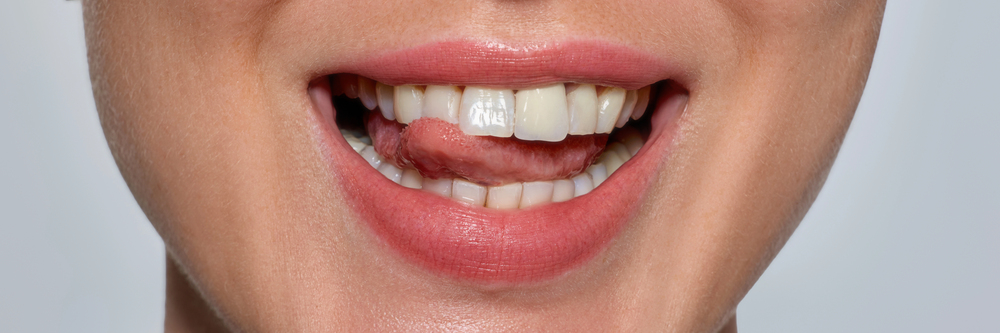
Mouth breathing is another factor worth considering, particularly in children.
When someone habitually breathes through their mouth, especially overnight, parts of the mouth can become considerably drier.
That matters because saliva protects teeth.
Reduced salivary coverage may mean less buffering of plaque acids, less clearance of fermentable carbohydrates and less opportunity for natural remineralisation.
Mouth breathing alone doesn’t mean someone will develop cavities, and the relationship is more complicated than simply saying:
“Mouth breathing causes tooth decay.”
But in a person who is already susceptible to decay, a persistently dry oral environment may be another piece of the puzzle.
This is also why, when we see an unusual pattern of decay, we don’t just ask:
“Are you brushing?”
We may also ask about diet, snacking, medications, dry mouth, sleeping habits, nasal obstruction, snoring and mouth breathing.
In children, these are things we can also consider during regular dental visits. You can read more about our approach on our Children’s Dentistry page.
Mouth breathing, dry mouth and sleep can also overlap. For people experiencing snoring, poor-quality sleep or waking with a dry mouth, we have more information in our guide to sleep apnoea, snoring and dental sleep medicine.
Sometimes the reason someone keeps getting cavities isn’t obvious until we look at the whole oral environment.
So, Does Brushing Immediately After Eating Sugar Prevent Tooth Decay?
No.
Brushing is extremely important, but it doesn’t simply cancel out the sugar you have just eaten.
Once fermentable carbohydrates are available within the dental biofilm, bacteria can metabolise them and produce acids.
Brushing later doesn’t rewind that process.
What effective brushing does do is regularly disrupt and remove dental plaque.
That is important because we’re not only interested in removing leftover food. We’re trying to disrupt the organised biofilm where the acid-producing process occurs.
Using fluoride toothpaste also delivers fluoride to the teeth, helping protect enamel and supporting remineralisation.
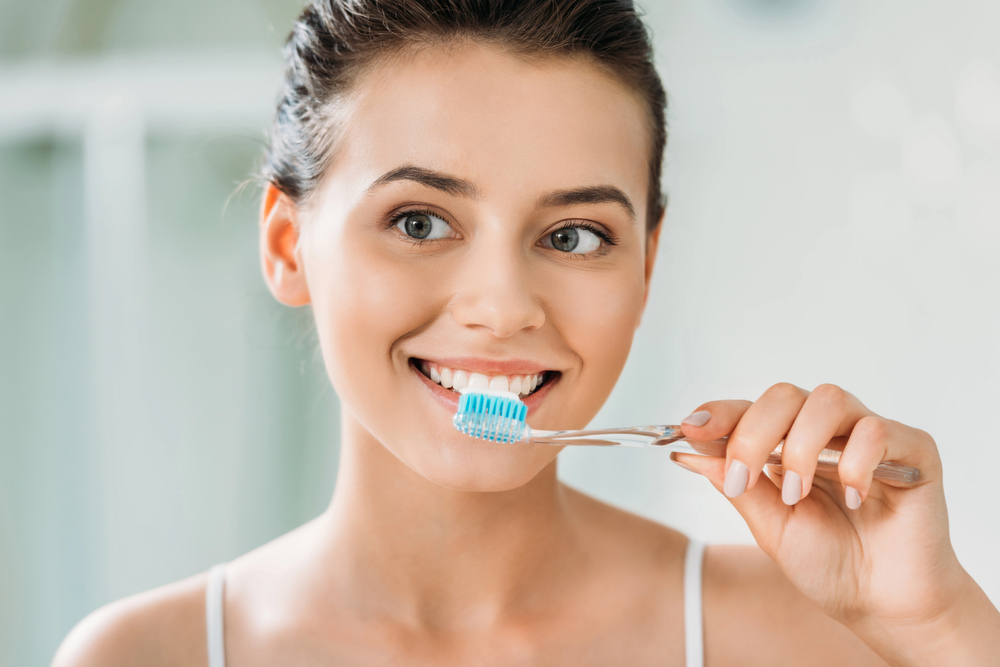
That’s why a good twice-daily brushing routine is more important than trying to frantically brush your teeth every time you eat something sweet.
Should I Brush Immediately After Eating?
Not necessarily.
This is particularly important when the food or drink you’ve consumed is acidic.
Soft drinks, sports drinks, energy drinks, fruit juices and many sour lollies can expose the teeth directly to dietary acids.
Acid can temporarily soften the outer tooth surface.
Aggressively brushing immediately after a significant acidic exposure isn’t ideal.
A simple approach after acidic foods or drinks is to drink or rinse with plain water and wait at least 60 minutes before brushing, giving your saliva an opportunity to help the mouth recover. This is consistent with advice from the Australian Dental Association on tooth erosion.
This also highlights an important distinction.
Tooth decay and tooth erosion are not the same thing.
Dental decay involves acids produced within the dental biofilm as microorganisms metabolise fermentable carbohydrates.
Dental erosion involves acids from other sources, such as acidic foods and drinks, directly causing chemical loss of tooth structure.
Unfortunately, some holiday favourites can provide both sugar and acid.
What About Soft Drinks and Juice?
These deserve special attention.
A sugary soft drink can present two problems:
Sugar provides fermentable carbohydrate that plaque bacteria can use.
Acidity in the drink itself can contribute to dental erosion.
And don’t assume that switching to a sugar-free soft drink makes it completely harmless to teeth.
Removing sugar eliminates one problem, but many sugar-free drinks remain acidic and can still contribute to dental erosion when consumed frequently.
For everyday hydration, plain fluoridated tap water is an excellent choice.

Remineralisation: Can Early Damage Be Repaired?
The earliest stages of tooth decay aren’t necessarily irreversible.
Before a physical cavity forms, an early enamel lesion represents a loss of minerals from the tooth.
If we change the environment around that tooth, the balance may be shifted back towards remineralisation.
This is one of the most important concepts in modern preventive dentistry.
Saliva
Saliva naturally provides calcium and phosphate and helps create conditions in which minerals can return to the tooth.
Fluoride
Fluoride remains one of our most established tools for caries prevention.
Fluoride can support remineralisation and make the mineral structure of enamel more resistant to subsequent acid attack.
You can read more about this in our article Is Fluoride Important for Your Family’s Teeth?.
Hydroxyapatite
Another interesting remineralising material is hydroxyapatite.
Hydroxyapatite is a calcium-phosphate mineral closely related to the mineral naturally present in teeth. It is increasingly being incorporated into toothpastes and other oral-care products.
Research into hydroxyapatite-containing oral-care products suggests they may help support remineralisation of demineralised enamel and have potential in caries prevention.
It is an interesting and developing area of preventive dentistry. A 2025 systematic review and meta-analysis published in the Journal of Dentistry examined the evidence for hydroxyapatite-based toothpastes in the prevention and remineralisation of initial caries lesions.
That doesn’t mean everyone should immediately replace their fluoride toothpaste.
Fluoride has a substantial evidence base and remains an important part of preventive dentistry. Hydroxyapatite provides another potential remineralisation approach, and research continues to develop.
The most appropriate toothpaste can also depend on the person’s age, decay risk, saliva, sensitivity, diet and individual circumstances.
We discuss fluoride, hydroxyapatite and other toothpaste ingredients in much more detail in What Is the Best Toothpaste? A Dentist’s Guide.
So Why Does One Person Get Cavities While Another Doesn’t?
This is perhaps the most useful way to bring everything together.
Imagine two people who both eat something sweet after lunch.
Their teeth aren’t necessarily experiencing exactly the same thing.
One might have:
good salivary flow + effective plaque control + regular fluoride exposure + infrequent sugar intake + a relatively stable oral biofilm.
The other might have:
reduced saliva + frequent snacking + a more acid-producing biofilm + mouth breathing overnight + vulnerable tooth surfaces.
Their risk of developing decay can be very different.
That’s why we don’t want people to think:
“I got a cavity, therefore I must be terrible at brushing.”
Sometimes brushing technique absolutely needs improvement.
But sometimes we need to look much further.
At Tooth Sparkler, preventive and general dentistry is about identifying why this particular person is developing disease and then targeting the factors we can realistically change.
Don’t Forget the Hidden Sugars
Halloween lollies are obvious.
The less obvious sugar exposures are often the ones families don’t think about.
Flavoured milk, juice, breakfast cereals, muesli bars, sauces, flavoured yoghurt, sports drinks and packaged snacks can all contribute sugars or fermentable carbohydrates.
That doesn’t mean every one of these foods needs to be banned.
It means it’s worth looking at the whole pattern of eating and drinking across the day.
Our Tooth Sparkler Holiday Survival Guide
You can enjoy Halloween, Christmas and the summer holidays without spending the whole time worrying about cavities.
A few simple habits can help.
- Enjoy sweets with meals rather than grazing on them all day.
- Create breaks between snacks. Give your mouth and saliva an opportunity to recover.
- Make water the everyday drink. Particularly between meals.
- Be careful with frequent soft drinks, juice, sports drinks and other acidic beverages.
- Brush twice a day thoroughly with an appropriate toothpaste. Don’t rely on a quick brush after eating sweets to cancel out the sugar.
- Don’t skip the bedtime brush. No matter how late the Christmas party finishes!
- Clean between the teeth where appropriate. A toothbrush cannot effectively clean every surface between teeth.
- Keep regular preventive dental appointments. Early changes are much easier to manage than established cavities.
You can find more practical advice in our guide to keeping your teeth and gums healthy at home.

Brushing Is Important, But It Doesn’t Make Diet Irrelevant
This is probably the biggest takeaway.
Someone can brush their teeth beautifully twice a day and still have an increased risk of tooth decay if their teeth are being exposed to fermentable carbohydrates frequently throughout the day.
Likewise, eating a piece of cake doesn’t mean you’re destined to get a cavity.
Tooth decay develops through an interaction between diet, dental biofilm, saliva, fluoride and other remineralising factors, tooth susceptibility and time.
That’s why at Tooth Sparkler we focus on prevention rather than simply telling people to:
“Brush better.”
Sometimes the most useful question isn’t: “How much sugar do you eat?”
It is: “How many times during the day are your teeth being exposed to it?”
And sometimes we need to ask even more questions:
- Is your mouth dry?
- Do you mouth breathe at night?
- Are medications affecting your saliva?
- Are you sipping a sweet or acidic drink over several hours?
- Are there areas of your mouth that are difficult to clean?
Preventive dentistry works best when we understand why disease is occurring in that individual person.
Enjoy Halloween — Your Dentist Isn’t Cancelling It
We don’t want children growing up thinking food needs to be divided into “good” and “bad” categories or that enjoying a Halloween lolly is something to feel guilty about.
Halloween is supposed to be fun.
Christmas is supposed to be enjoyed.
And yes, there will probably be more treats around.
The goal isn’t perfection.
It’s understanding what happens in the mouth and making a few sensible choices that reduce the risk of dental disease.
So enjoy the Halloween treats.
Enjoy dessert at Christmas.
Drink some water afterwards.
Keep the sweets from becoming an all-day grazing event.
Give your saliva some time to do its job.
And don’t forget to brush before bed.
Your teeth will appreciate it.
Keep Your Smile Healthy Through the Holiday Season
Enjoy the Halloween treats and holiday celebrations, but remember that regular preventive care can help identify dental problems before they become more difficult to manage.
If you or your children are due for a dental examination before the holiday season, Tooth Sparkler Family Dental in Frenchs Forest is here to help. Book an appointment with our team today.
References and Further Reading
- Australian Dental Association. Policy Statement 2.2.2 – Diet and Nutrition. Guidance addressing dietary sugars, the frequency and timing of consumption, dental caries and dietary acids.
- Australian Dental Association. Policy Statement 2.2.3 – Oral Hygiene. Guidance on oral hygiene practices, including toothbrushing and fluoridated toothpaste.
- Australian Dental Association. Tooth erosion. Consumer guidance covering dietary acids, tooth erosion and brushing after acidic food and drinks.
- Pitts NB, Zero DT, Marsh PD, et al. Dental caries. Nature Reviews Disease Primers. 2017;3:17030. Review of dental caries as a dynamic, biofilm-mediated disease involving interactions between diet, microorganisms, tooth tissues, saliva and time.
- Takahashi N, Nyvad B. The role of bacteria in the caries process: ecological perspectives. Journal of Dental Research. 2011;90(3):294–303. Discusses ecological changes in dental biofilm and the selection of acid-producing and acid-tolerant microorganisms during caries development.
- Chatzidimitriou K, et al. The role of hydroxyapatite-based, fluoride-free toothpastes on the prevention and remineralization of initial caries lesions: A systematic review and meta-analysis. Journal of Dentistry. 2025;156:105691. Reviews evidence on hydroxyapatite-containing toothpastes for caries prevention and enamel remineralisation.