Children’s Tooth Decay Is About More Than Brushing
When a child develops tooth decay, many parents immediately wonder, “Are we not brushing well enough?”
Brushing is important, of course. But childhood tooth decay is rarely just a brushing problem.
Dental caries, which is the disease process that causes tooth decay, is influenced by diet, saliva, mouth breathing, fluoride exposure, bacteria, enamel quality, family routines and the modern food environment. A cavity is not simply a hole in a tooth. It is a sign that the balance in the mouth has tipped towards disease.
At Tooth Sparkler Family Dental in Frenchs Forest, we believe that understanding why children’s tooth decay happens is just as important as treating it.
Why Do Kids Get Tooth Decay?
Tooth decay starts when bacteria in plaque use sugars and refined carbohydrates from food and drinks to produce acid. That acid softens and weakens the tooth surface. If this happens often enough, the tooth cannot repair itself and a cavity forms.
This is why frequency matters so much. It is not only about how much sugar a child has, but how often their teeth are exposed to it.
A packet of crackers grazed over an hour. A fruit pouch in the pram. A sippy cup of juice. Dried fruit. Flavoured milk. “Lunchbox” foods that look healthy but behave like sticky carbohydrates. These foods can keep the mouth in an acidic state for long periods.
The World Health Organization identifies free sugars in foods and drinks as the most common dietary risk factor for dental caries and recommends limiting free sugars to less than 10% of total energy intake, ideally less than 5%, to minimise caries risk.
The Australian Dental Association also notes that many foods families may think of as healthy can contain more sugar than expected, including breakfast cereals, breads and pre-made sauces.
Tooth Decay: A Disease of Modern Abundance
Tooth decay is sometimes described as a disease of affluence, or more accurately, a disease of modern abundance.
We live in a world where processed foods, packaged snacks, sweet drinks and refined carbohydrates are everywhere. Many of these foods are marketed as convenient, fun or even “healthy” for children. They are easy to eat often, easy to pack in lunchboxes and easy to graze on between meals.
But decay is not about blaming families.
Parents are busy. Food labels are confusing. Children snack often. Schools, sport, parties, supermarkets and advertising all shape what kids eat. The issue is bigger than one child, one parent or one toothbrush.
At the same time, education makes a real difference. When families understand how decay works, they can make small, realistic changes that may reduce risk: more water, fewer grazing moments, tooth-friendly snacks, fluoride toothpaste, earlier dental visits and treatment before things become painful.
What Does Mouth Breathing Have to Do With Cavities?
Mouth breathing is often discussed in relation to sleep, snoring, enlarged tonsils, allergies, facial growth and orthodontic development. But it can also matter for teeth.
Saliva is one of the mouth’s best protective systems. It helps wash away food, neutralise acid and return minerals to the enamel. When a child breathes through their mouth, especially at night, the mouth can become dry. A dry mouth is less able to protect itself.
Research has found an association between chronic mouth breathing in children and a higher prevalence of dental caries, partly because mouth breathing can reduce moisture in the mouth and interfere with saliva’s protective role. A 2024 study of preschool children also found mouth breathing was associated with a higher prevalence of anterior dental caries.
Signs that mouth breathing may be part of the picture include:
- Sleeping with the mouth open
- Snoring
- Dry lips
- Waking tired
- Bad breath
- Dark circles under the eyes
- Crowded teeth or narrow arches
- Frequent blocked nose or allergies
This does not mean every mouth-breathing child will get decay. But it is one of the reasons we look beyond the teeth. Sometimes helping a child’s oral health means also considering their airway, sleep, allergies, tonsils, adenoids and nasal breathing.
Why Treat Baby Teeth If They Fall Out Anyway?
Baby teeth are not practice teeth.
They help children chew, speak, smile and maintain space for adult teeth. They also help guide permanent teeth into position. Tooth decay is a major reason children lose baby teeth before they are due to fall out naturally, and early dental care can help reduce the risk of complications.
Untreated decay can cause pain, infection, poor sleep, difficulty eating and time away from school. A child with toothache may not always say, “My tooth hurts.” They may avoid certain foods, wake more often, become upset at brushing, or become anxious about eating.
In Australia, tooth decay remains common in children. AIHW reports that around 42% of children aged 5–10 had experienced decay in their primary teeth, and 27% had untreated decay in those teeth, based on the National Child Oral Health Study.
Treating decay earlier may allow for simpler management than waiting until a child develops pain, swelling or infection.
Can Cavities in Baby Teeth Affect Permanent Teeth?
Baby teeth and permanent teeth are separate teeth, so a cavity in a baby tooth does not automatically mean the adult tooth underneath will develop a cavity.
However, severe untreated decay or infection in a baby tooth can affect the surrounding tissues and may create problems that require treatment. Losing a baby tooth earlier than expected can also affect the space available for the permanent tooth.
This is why cavities in baby teeth should still be assessed rather than ignored simply because the tooth will eventually fall out.
What Are the Treatment Options for Tooth Decay in Kids?
The right option depends on the child’s age, the tooth involved, the depth of decay, symptoms, cooperation, risk level and whether the tooth is a baby tooth or adult tooth.
Children’s dentistry is not just about “doing a filling.” It is about choosing treatment based on the child, the tooth and the individual clinical situation.
1. Early Decay Management and Remineralisation
Very early decay may look like a white, chalky patch rather than a hole. At this stage, it may be possible to stop or slow the process with preventive care.
This might include:
- Fluoride varnish
- Brushing support
- Reviewing toothpaste and fluoride exposure
- Reducing snack frequency
- Changing drink habits
- Monitoring early lesions
- Helping families understand where the risk is coming from
The goal is to shift the mouth away from active disease and back towards repair where possible.
2. Fissure Sealants
Back teeth often have deep grooves where food and plaque collect. Fissure sealants are protective coatings placed into these grooves to help reduce the risk of decay.
They can be particularly useful for children with newly erupted adult molars or deep fissures in their back teeth.
Sealants are preventive. They are not a treatment for every cavity, but they can be helpful when clinically appropriate.
3. Silver Diamine Fluoride, or SDF
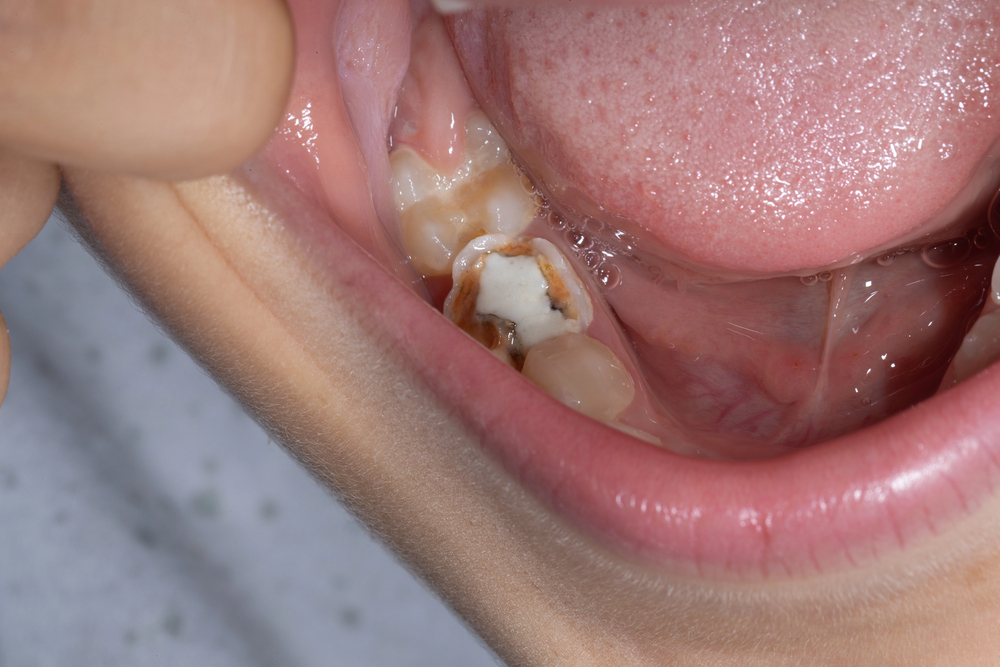
Silver Diamine Fluoride, often called SDF, is a liquid that can help arrest active tooth decay.
SDF does not “fill” the hole. Instead, it can help stop active decay from progressing. It may be useful for young children, anxious children, children with additional needs, or situations where we want to stabilise decay before deciding on the next step.
The main downside is that SDF stains the decayed part of the tooth dark brown or black. Healthy enamel does not stain in the same way, but the decayed area will usually become darker. For some families, especially when the tooth is a back baby tooth, this may be an acceptable trade-off.
SDF is part of a broader shift in dentistry towards minimally invasive care: managing the disease process, stabilising teeth and reducing the need for more invasive treatment where possible.
The American Academy of Pediatric Dentistry supports the use of SDF as part of an ongoing caries management plan.
Research in children who had difficulty tolerating restorative dental treatment has also shown that SDF may help arrest caries and, in selected circumstances, reduce the amount of more invasive treatment required.
In simple terms, SDF may sometimes help stabilise disease and give a child more time before further treatment is considered.
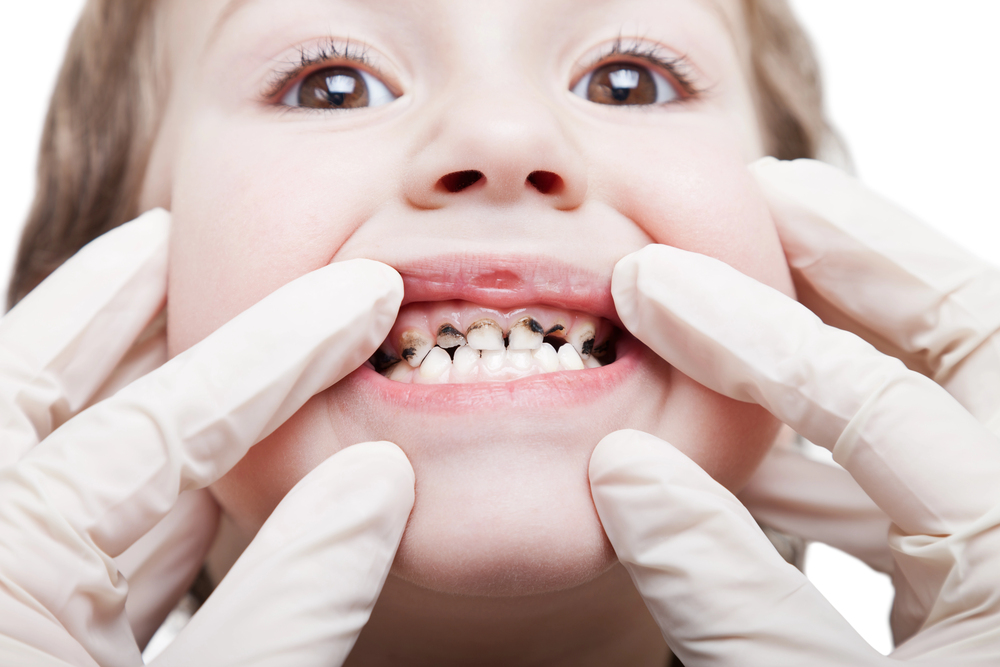
4. Fillings in Children
Fillings can be appropriate in some situations, but they are not always the most suitable or predictable option for every child.
A filling is technique-sensitive.
It needs a child to stay still, keep their mouth open, tolerate water, suction, noise and dental materials, and allow the tooth to stay dry enough for the filling to bond properly. That is a lot to ask of a small child.
Even a well-planned filling can be more difficult if moisture control is poor or if the child is understandably wriggly, worried or overwhelmed.
This is why we are careful about recommending fillings for baby teeth. It is not because fillings are “bad.” It is because the treatment has to suit the child, not just the tooth.
5. Hall Crowns for Decayed Baby Molars
For some decayed baby molars, the Hall Technique may be an appropriate treatment option.
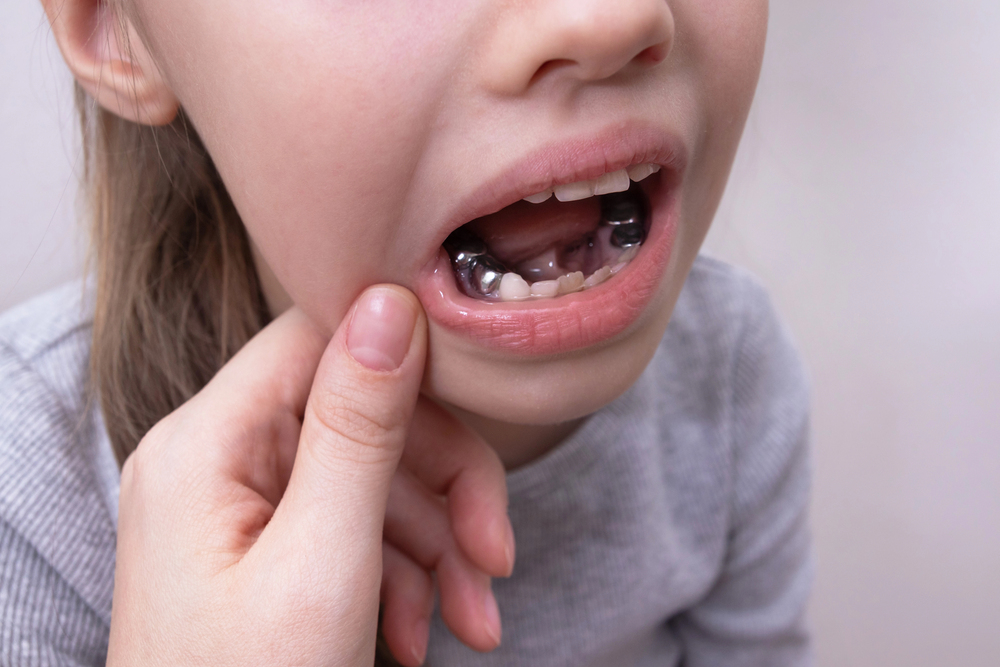
At Tooth Sparkler, we often call these Princess Teeth or Robot Teeth because they are shiny, strong and children may respond more positively to that language than to the word “crown.”
The Hall Technique involves placing a preformed stainless steel crown over the baby tooth. Rather than removing large amounts of tooth structure, the crown seals the decay away from the environment it needs to keep progressing.
For some young children, this approach may be easier to tolerate than a traditional filling because it can reduce some of the challenges associated with moisture control and longer restorative procedures.
A Cochrane review found that preformed crowns for decayed primary molars are likely to reduce the risk of major failure or pain in the long term compared with fillings. The review also found that Hall crowns may reduce discomfort at the time of treatment compared with fillings.
They may look shiny, but they are designed for baby teeth, not adult teeth. They stay in place until the baby tooth naturally falls out.
6. Extraction
If a tooth is badly broken down, infected, painful or cannot be predictably restored, removing it may be an appropriate option.
This is not the first preference when a baby tooth can reasonably be maintained, but sometimes extraction is the most appropriate clinical choice. Depending on the child’s age and which tooth is removed, we may also need to consider whether space maintenance is needed.
7. Specialist Care or Treatment Under General Anaesthetic
Some children have extensive decay, high anxiety, medical considerations or are too young to manage treatment safely in the chair.
In these situations, referral to a paediatric dentist or treatment under general anaesthetic may be appropriate.
The treatment pathway should be based on the child’s individual needs, dental condition and ability to manage care safely.
Children’s Dentistry at Tooth Sparkler Family Dental
Looking after children’s oral health takes a team.
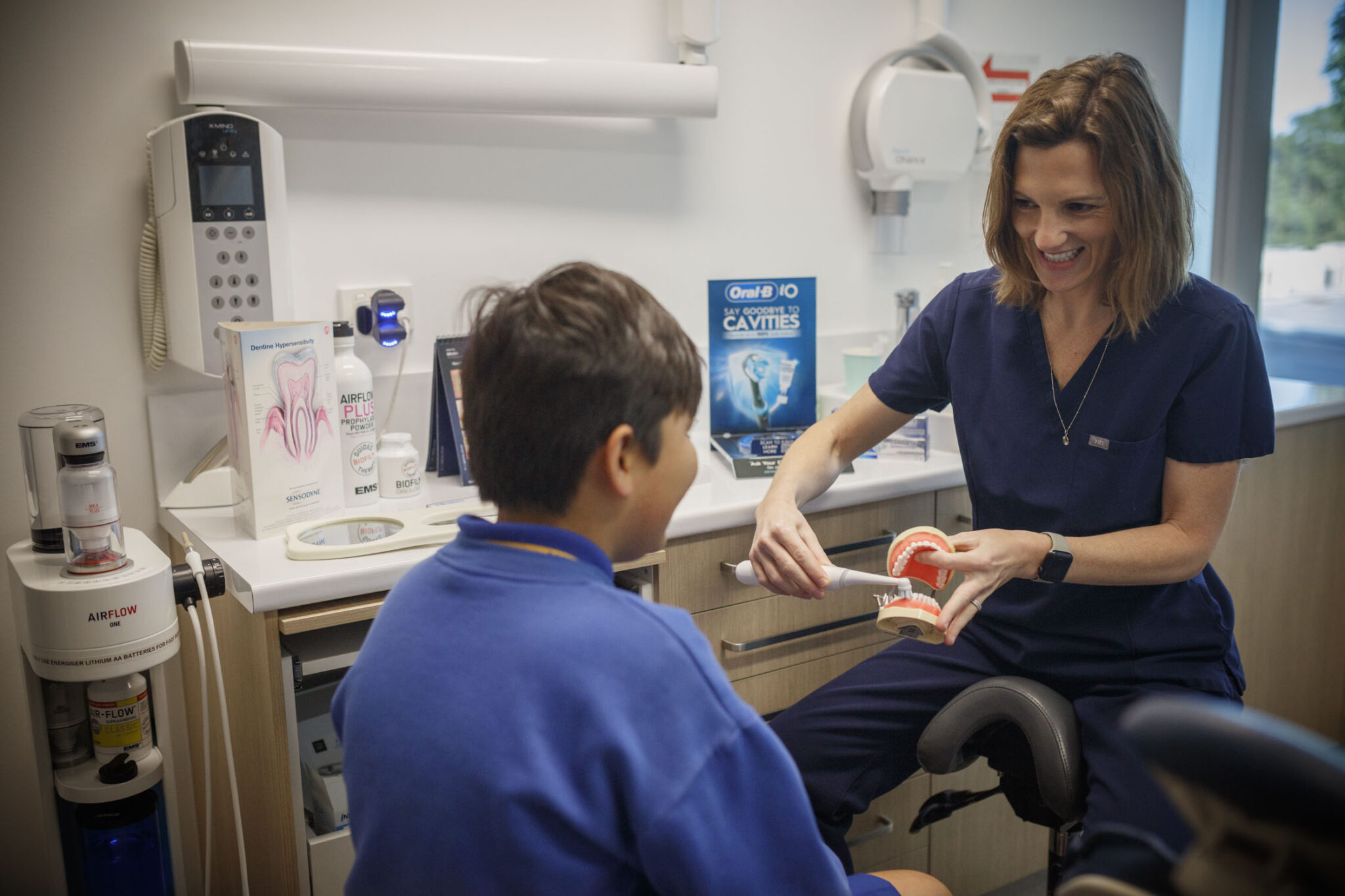
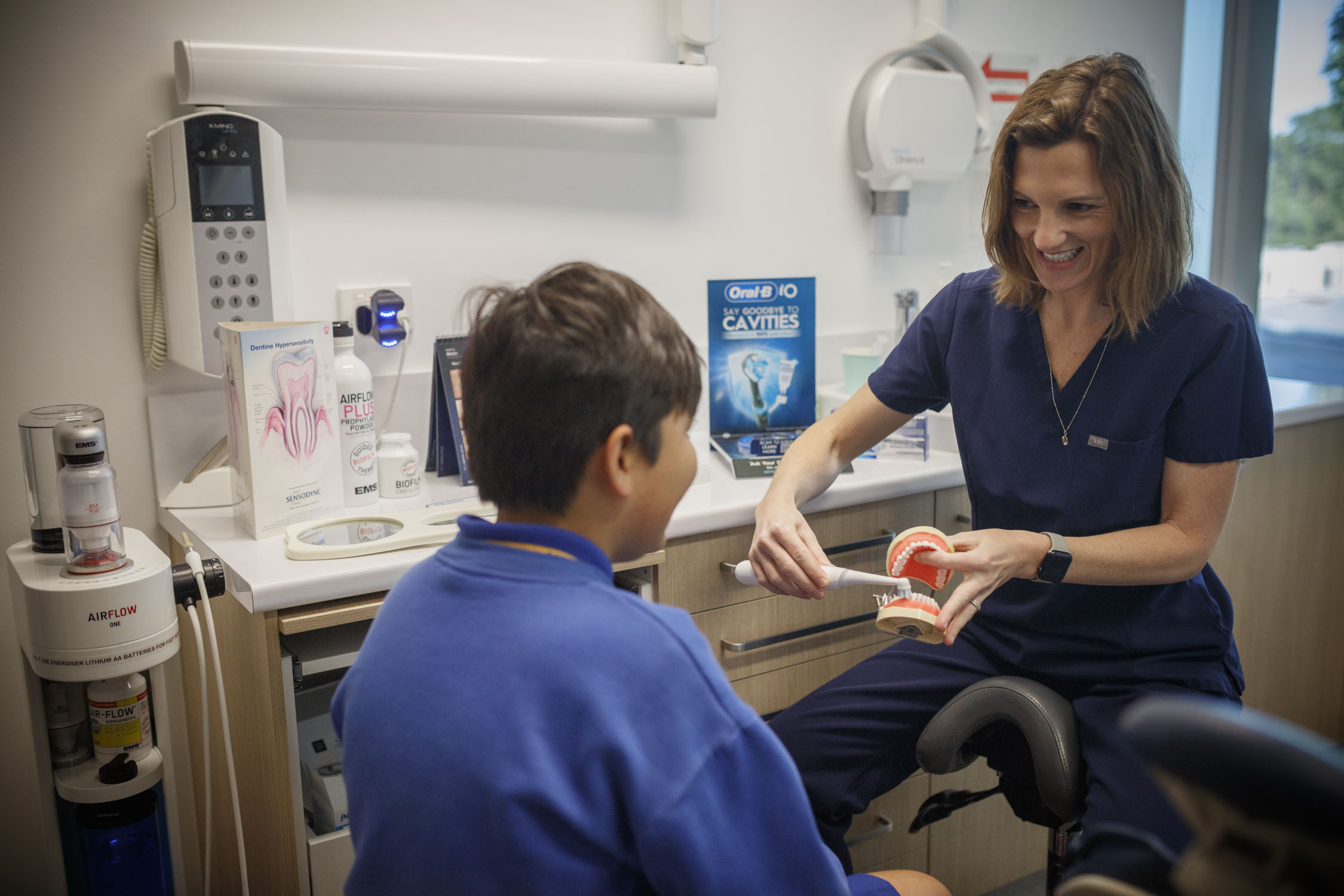
Our Oral Health Therapists Katie, Jathea and Oditi are trained in contemporary children’s dental care, including preventive dentistry, minimally invasive caries management and child-centred approaches to treatment.
Working alongside them are Dr Sara, Dr Pallavi and Dr Anjla, who are also available to assess children, diagnose dental disease, discuss treatment options with families and manage children’s oral health when more complex care is needed.
Whether your child needs preventive advice, a fissure sealant, Silver Diamine Fluoride, a Hall crown, an extraction or a comprehensive treatment plan, we aim to provide evidence-based, child-centred care while helping children become more familiar and comfortable with visiting the dentist.
The Goal Is Not Just to Fix Teeth. It Is to Change the Pattern.
Caries management is not simply “drill and fill.” It is disease management.
That means asking:
- Why did this child get decay here?
- Is the child snacking frequently?
- Are drinks a factor?
- Is there enough fluoride exposure?
- Is the child mouth breathing or waking with a dry mouth?
- Are the grooves in the teeth deep?
- Is enamel weaker than usual?
- Does the family need practical, non-judgemental support?
A child with one cavity is telling us something. A child with several cavities is telling us even more.
Many cases of tooth decay can be prevented or the risk reduced, and early management may allow for simpler treatment. With the right plan, we can help protect baby teeth, support developing adult teeth and make dental visits a more familiar part of childhood.
Because healthy teeth are not just about brushing. They are about food, breathing, saliva, sleep, habits, education and having a team willing to look at the whole child.