The best toothpaste depends on your individual mouth. Your risk of tooth decay, saliva flow, sensitivity, age, exposed roots, diet and personal preferences all affect which toothpaste or remineralising product is most suitable.
For many people, a fluoride toothpaste used twice daily is an excellent choice. Other patients may benefit from hydroxyapatite toothpaste, higher-strength fluoride, desensitising ingredients or bioavailable calcium-phosphate products such as Tooth Mousse.
At Tooth Sparkler Family Dental in Frenchs Forest, we prefer to match the product to the person rather than nominate one toothpaste as the “best” for everyone.
Quick Answer: Which Toothpaste Should I Use?
As a general guide:
- Low-to-moderate decay risk: a standard fluoride toothpaste is usually a sensible choice.
- High decay risk or dry mouth: additional remineralising support may be recommended.
- Looking for a fluoride-free option: a well-formulated hydroxyapatite toothpaste may be worth considering.
- Sensitive teeth: choose a toothpaste containing an appropriate desensitising or remineralising ingredient.
- Early enamel demineralisation: fluoride, hydroxyapatite or calcium-phosphate therapy may be recommended depending on your individual situation.
- Children: toothpaste should be chosen according to age and decay risk, and used in the appropriate amount.
There is no need to build an enormous oral-care routine.
The aim is to use the right ingredients consistently.
What Does Toothpaste Actually Do?
Toothpaste does more than make your mouth taste minty.
Brushing provides the mechanical cleaning, while toothpaste delivers therapeutic ingredients that can support tooth decay prevention, remineralisation, sensitivity management and other oral-health needs.
Toothpaste can help:
- reduce the risk of tooth decay
- support remineralisation
- reduce sensitivity
- strengthen vulnerable tooth surfaces
- support plaque and gingival health
- remove surface staining
- support people whose saliva or decay risk has changed.
Toothpaste works alongside the physical removal of plaque with brushing rather than replacing good oral hygiene. Plaque contains bacteria that can use carbohydrates from foods and drinks to produce acids, contributing to tooth demineralisation over time.
This is why the toothpaste that was perfectly adequate for you at 25 may not necessarily be the best toothpaste for you at 50.
Your mouth changes.
Your prevention can change with it.
What Is Toothpaste Made Of?
Toothpaste is made from a combination of cleaning agents, abrasives, humectants, binders, detergents, flavourings and therapeutic ingredients. The exact toothpaste formula varies between products depending on whether it is designed for cavity prevention, sensitivity, whitening, plaque control or another purpose. The Australian Dental Association’s guide to toothpaste ingredients also explains the different roles these ingredients can play in toothpaste formulations.
Abrasives
Abrasive ingredients help remove plaque, food debris and surface staining from the tooth surface.
Common examples include:
- calcium carbonate
- silica
- aluminium-based compounds.
The type and level of abrasivity can be particularly relevant for people with exposed roots, enamel erosion, sensitivity or significant tooth wear.
Humectants and Binders
Humectants help toothpaste retain moisture and maintain its texture, while binders help keep the formula stable.
Common examples include sorbitol and glycerol.
Detergents
Detergents help toothpaste spread through the mouth and contribute to foaming.
One common detergent is sodium lauryl sulphate (SLS), although some people with dry, sensitive or irritated oral tissues may prefer an SLS-free toothpaste.
Flavourings and Sweeteners
Peppermint and spearmint are common toothpaste flavourings.
Some toothpastes also contain ingredients such as sorbitol, which can contribute sweetness as well as help retain moisture, depending on the formulation.
For people who dislike mint or find strong flavours uncomfortable, non-mint toothpaste options are also available. The flavour itself is less important than whether the product contains appropriate therapeutic ingredients for your needs.
Therapeutic Ingredients
This is often the most important category when comparing toothpastes.
Therapeutic ingredients can include:
- fluoride
- hydroxyapatite
- desensitising agents
- remineralising calcium-phosphate compounds
- ingredients designed to help manage plaque or gingival inflammation.
There is no single “main ingredient” that determines whether a toothpaste is suitable. From a dental perspective, the active therapeutic ingredients are usually more useful to consider than whichever ingredient appears in the largest quantity.
Does Toothpaste Have Calcium?
Some toothpastes contain calcium-based minerals or compounds, while others do not.
Hydroxyapatite, for example, is a calcium-phosphate mineral similar to the mineral naturally found in teeth. Other remineralising products may use different forms of calcium and phosphate.
So, while calcium can be found in some toothpaste formulations, it isn’t present in every toothpaste and its role depends on the particular ingredient and product.
What Is Tooth Remineralisation?
Remineralisation is the natural process of replacing minerals that have been lost from the surface of a tooth.
Your teeth are constantly moving between two processes:
Demineralisation: minerals leave the tooth when acids lower the pH around the enamel.
Remineralisation: minerals are redeposited into vulnerable tooth surfaces when conditions improve.
Saliva is central to this process because it helps neutralise acids and supplies calcium and phosphate.
If the balance repeatedly favours mineral loss, an early area of demineralisation can eventually become a cavity.
This is why we are interested in remineralising agents rather than simply whether a toothpaste cleans well.
Important remineralising options include:
- fluoride
- hydroxyapatite
- calcium and phosphate-based products such as CPP-ACP.
Is Fluoride Toothpaste Good for Your Teeth?

For many adults and children, appropriately selected fluoride toothpaste used twice daily can form an important part of preventive dental care. The Australian Dental Association recommends fluoride toothpaste as an important part of reducing tooth decay risk, with the appropriate product and use depending on factors such as age and individual decay risk.
Fluoride supports remineralisation and helps make dental enamel more resistant to future acid attack.
This is one of the main ways an appropriately selected toothpaste can help prevent tooth decay. Toothpaste alone cannot eliminate the risk of cavities, but its therapeutic ingredients can form an important part of a broader preventive routine.
Some people are at greater risk of tooth decay and may require a stronger preventive approach.
Higher-risk groups can include people with:
- dry mouth
- reduced salivary flow
- recurrent dental decay
- exposed root surfaces
- numerous crowns, bridges or restorations
- orthodontic appliances
- diets involving frequent fermentable carbohydrates
- medications that reduce saliva.
For these patients, a dentist may recommend additional fluoride or other remineralising therapies.
You can also read our guide to fluoride and dental health for more information.
What Is Plaque-Removing Toothpaste?
Plaque removal depends heavily on the physical action of brushing. Some toothpastes also contain ingredients designed to support plaque control or gingival health.
A plaque-removing toothpaste and a fluoride toothpaste are not necessarily opposites. Plaque control and cavity prevention are related but different goals, and a toothpaste may contain ingredients intended to support both.
If you are prone to tooth decay, choosing a product solely because it says “plaque control” on the packaging may overlook other important ingredients, including fluoride or another appropriate remineralising agent.
What Is Hydroxyapatite Toothpaste?
Hydroxyapatite toothpaste contains a calcium-phosphate mineral similar to the mineral naturally found in tooth enamel and dentine.
Hydroxyapatite particles can interact with the tooth surface and are being investigated and used to help:
- remineralise early enamel lesions
- reduce demineralisation
- reduce tooth sensitivity
- support caries prevention.
Hydroxyapatite toothpastes are available in micro- and nano-hydroxyapatite formulations, and individual products can vary considerably in concentration and formulation.
The evidence base has grown substantially in recent years.
A 2024 systematic review and meta-analysis found clinical evidence supporting the ability of hydroxyapatite-containing oral-care products to reduce dental caries. A further 2025 systematic review and meta-analysis found no significant difference between hydroxyapatite and fluoride toothpastes for several measures of caries development or progression in the included studies of children, adolescents and young adults.
That makes hydroxyapatite a promising remineralising ingredient supported by a growing evidence base, particularly for people seeking a fluoride-free option.
However, fluoride still has a considerably longer history and broader body of evidence behind its use.
Is Hydroxyapatite Toothpaste Better Than Fluoride Toothpaste?
At present, we wouldn’t describe hydroxyapatite as universally “better” than fluoride.
Recent clinical research is encouraging and suggests hydroxyapatite toothpaste may provide caries-preventive and remineralising effects comparable with fluoride in some studied populations.
However, the hydroxyapatite evidence base is newer and smaller.
For that reason, our question isn’t:
“Which side are you on: fluoride or hydroxyapatite?”
It is:
“What does this particular mouth need?”
For one patient, standard fluoride toothpaste may be ideal.
Another may benefit from hydroxyapatite.
Someone at high decay risk may require a more intensive preventive strategy.
And occasionally several remineralising approaches can form part of the same overall prevention plan.
There is no need to turn toothpaste into an ideological debate.
Can You Use Hydroxyapatite and Fluoride Together?
Potentially, yes. Fluoride and hydroxyapatite are not necessarily mutually exclusive approaches to remineralisation.
Some oral-care strategies or products may incorporate more than one remineralising mechanism.
Whether there is a meaningful advantage for an individual patient depends on their risk profile and the specific products being used.
If you’re already using several remineralising products, bring them to your appointment and we can help work out whether each one is actually necessary.
What About Non-Fluoridated Toothpaste?
Some people prefer to use toothpaste without fluoride. If that is your preference, the important question is not simply whether fluoride has been removed.
It is:
“What active ingredient is replacing it, and does that ingredient provide meaningful protection for your teeth?”
Some fluoride-free toothpastes contain hydroxyapatite, while others rely on ingredients with much less evidence for preventing dental decay.
A well-formulated hydroxyapatite toothpaste may be worth discussing if you prefer not to use fluoride.
What Is Tooth Mousse and How Does It Work?
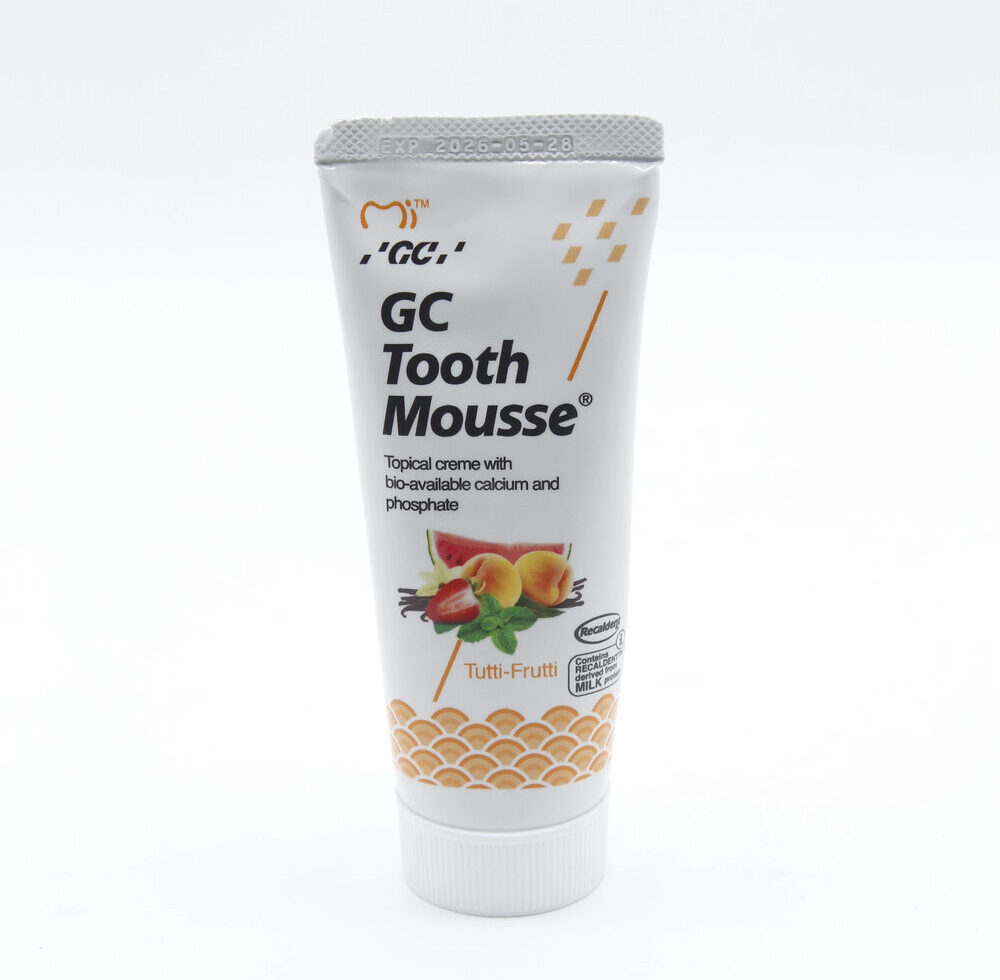
Tooth Mousse is a topical remineralising cream containing CPP-ACP — casein phosphopeptide-amorphous calcium phosphate.
CPP-ACP helps maintain bioavailable calcium and phosphate within the oral environment, where these minerals can support remineralisation.
Tooth Mousse is not a replacement for normal toothbrushing.
It is generally used as an additional remineralising treatment for selected patients.
We may consider it for people with:
- early enamel demineralisation
- increased caries risk
- dry mouth
- tooth sensitivity
- orthodontic treatment
- selected post-whitening sensitivity
- situations where additional calcium and phosphate availability may be useful.
Because CPP-ACP is derived from milk casein, Tooth Mousse is not appropriate for people with a true milk-protein allergy.
What Is the Best Toothpaste for Dry Mouth?
There isn’t one universal best toothpaste for dry mouth. The first priority is identifying why the mouth is dry and whether the patient’s risk of tooth decay has increased.
Saliva does an enormous amount of protective work.
It helps:
- neutralise acids
- supply calcium and phosphate
- lubricate oral tissues
- wash away food debris
- control the oral environment
- support remineralisation.
When saliva decreases, someone who has historically had very little dental decay can suddenly become much more vulnerable.
Dry mouth can be associated with:
- medications
- menopause
- medical conditions
- cancer treatment
- autoimmune disease
- dehydration
- mouth breathing
- sleep-disordered breathing.
Depending on the situation, we might recommend:
- fluoride
- hydroxyapatite
- bioavailable calcium-phosphate products
- saliva-stimulating strategies
- saliva gels or substitutes
- dietary modification
- more frequent preventive review.
You can read more in our guide to menopause, dry mouth and sleep apnoea.
Why Does Dry Mouth Increase the Risk of Tooth Decay?
Dry mouth increases caries risk because saliva normally neutralises acids, clears food debris and supplies minerals used to repair early enamel damage.
When salivary protection decreases, acids may remain in contact with the teeth for longer and natural remineralisation becomes less effective.
Root surfaces can be particularly vulnerable.
This is why a person can suddenly develop decay despite brushing exactly as they always have.
It doesn’t necessarily mean their brushing has become worse.
Their oral environment may have changed.
What Is the Best Toothpaste for Sensitive Teeth?
The best sensitive toothpaste depends on why the teeth are sensitive.
Common causes include:
- gum recession
- exposed dentine
- tooth erosion
- tooth wear
- aggressive brushing
- grinding or clenching
- whitening
- cracks
- dental decay
- problems with existing restorations.
Sensitive toothpastes can work through several different mechanisms.
Some help block microscopic dentinal tubules.
Others contain potassium compounds designed to reduce nerve responsiveness.
Remineralising agents including fluoride and hydroxyapatite may also help reduce sensitivity in appropriate situations.
If one particular tooth suddenly becomes sensitive, especially to biting or heat, don’t simply mask the symptom indefinitely with sensitive toothpaste.
Have it checked.
Does Whitening Toothpaste Actually Whiten Your Teeth?
Most whitening toothpastes primarily remove surface staining rather than changing the underlying colour of the tooth.
This can be useful for stains from things such as:
- coffee
- tea
- red wine
- smoking.
Many whitening toothpastes rely partly on abrasive particles.
For someone with healthy enamel, this may not cause a problem when used appropriately, but aggressive long-term use of highly abrasive toothpaste can be undesirable in people with:
- exposed roots
- enamel erosion
- significant tooth wear
- sensitivity.
For a more detailed explanation, read our guide to how whitening toothpaste works.
If you want a more substantial change to the colour of your teeth, professional whitening may be worth discussing with your dentist.
Is Charcoal Toothpaste Good for Your Teeth?
We generally don’t recommend charcoal toothpaste as a first-line everyday toothpaste.
There is limited evidence that charcoal provides meaningful benefits beyond conventional toothpaste, and some charcoal products can be relatively abrasive.
Charcoal particles can also collect around restoration margins and gingival areas.
Good marketing does not necessarily equal good preventive dentistry.
Is Xylitol Good for Teeth?
Xylitol may be useful, but it isn’t a magic anti-cavity ingredient.
Not all toothpaste contains xylitol. It is included in some toothpaste and oral-care formulations, so check the ingredients of the individual product if you specifically want xylitol.
One area where we often find xylitol-containing products useful is sugar-free chewing gum.
Chewing stimulates saliva.
For someone who still has functioning salivary glands but experiences mild dry mouth, stimulating their own saliva after eating can be helpful.
The salivary stimulation may be just as clinically important as the xylitol itself.
Is Natural Toothpaste Better?
“Natural” doesn’t automatically mean better or worse for your teeth.
It is primarily a marketing category.
Some natural toothpaste formulations contain useful evidence-based ingredients.
Others remove established remineralising agents and replace them with ingredients that have little evidence for preventing dental decay.
We don’t object to natural products.
Our question is simply:
“Will this product provide enough protection for your particular mouth?”
If you would prefer not to use fluoride, hydroxyapatite toothpaste may be an evidence-based option worth discussing.
That conversation should be collaborative, not judgemental.
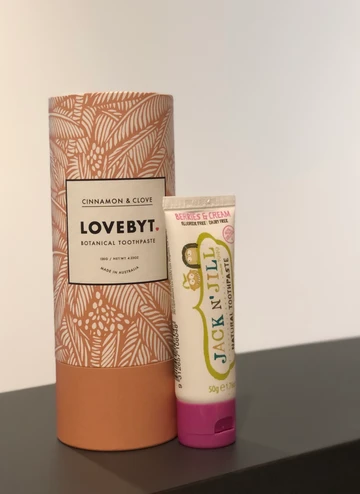
What About Vegan Toothpaste?
Vegan toothpaste can be a perfectly reasonable choice, but “vegan” describes aspects of how the product is formulated rather than how well it protects against decay or sensitivity.
When comparing vegan toothpaste, it is still worth looking at:
- whether it contains fluoride or another evidence-based remineralising ingredient
- its level of abrasivity
- whether it suits sensitive teeth or dry mouth
- whether its active ingredients match your individual decay risk.
If avoiding animal-derived ingredients is important to you, your dental team can help you assess the therapeutic ingredients rather than relying only on the claims on the front of the packaging.
Should I Avoid Sodium Lauryl Sulphate (SLS)?
Most people can use SLS-containing toothpaste without difficulty, but some people find highly foaming toothpaste irritating.
People with:
- dry or sensitive oral tissues
- recurrent mouth ulcers
- burning or irritated mucosa
may sometimes prefer an SLS-free toothpaste.
The absence of SLS does not itself make a toothpaste better at preventing tooth decay, so it is still important to consider the product’s active therapeutic ingredients.
What Toothpaste Should Children Use?
Children should use toothpaste appropriate for their age and individual risk of dental decay.
The amount matters too.
Young children should use an age-appropriate amount of toothpaste and be supervised while brushing.
Children’s toothpaste can differ from adult toothpaste in fluoride concentration, flavour, foaming characteristics and other ingredients. What matters most is choosing a product and amount appropriate for the child’s age and individual decay risk rather than assuming every children’s toothpaste is suitable for every child.
As children grow and become reliably able to spit toothpaste out, recommendations can change.
Children at particularly high caries risk may require a different preventive strategy from siblings with very low caries risk.
You can read more about risk factors, prevention, and treatment in our guide to children’s tooth decay, or learn more about our children’s dental care.
That’s completely normal.
Same family. Different mouths.
How Should You Use Your Toothpaste?
For most people, toothpaste should be used as part of brushing twice a day. Rather than covering toothbrush selection and brushing technique in detail here, you can read our separate guide to choosing the right toothbrush.
After brushing with a therapeutic toothpaste, avoid immediately washing all the active ingredients away with large amounts of water.
For many therapeutic toothpastes, spitting out the excess rather than vigorously rinsing immediately afterwards allows the active ingredients to remain in contact with the teeth for longer.
However, follow the specific directions for the product you are using.
This is particularly important for prescription or specialised products.

So, What Is the Best Toothpaste in Australia?
There isn’t a single toothpaste we recommend to every patient.
A useful starting point is:
Healthy Mouth and Low-to-Moderate Decay Risk
A conventional fluoride toothpaste used twice daily is generally a sensible choice.
High Risk of Tooth Decay
You may need stronger remineralising therapy, which could include higher-strength fluoride and/or other products selected by your dentist.
Dry Mouth
Focus on saliva management plus remineralisation, rather than toothpaste alone.
Fluoride-Free Preference
A well-formulated hydroxyapatite toothpaste may be worth considering.
Sensitive Teeth
Choose an appropriate desensitising toothpaste after establishing why the sensitivity is occurring.
Early Enamel Demineralisation
Your dentist may recommend fluoride, hydroxyapatite, CPP-ACP or another targeted remineralising strategy.
Children
Use an age- and risk-appropriate toothpaste in the correct amount.
Do Expensive Toothpastes Work Better?
Not necessarily.
Price, packaging and long lists of impressive-sounding ingredients are poor measures of how appropriate a toothpaste is for you.
A $15 toothpaste containing the wrong active ingredients isn’t automatically more useful than a $4 toothpaste containing exactly what your teeth need.
This is one area where personalisation beats marketing.
The Tooth Sparkler Takeaway
Don’t choose your toothpaste just because TikTok told you to.
Don’t choose it because the packet says:
“Ultra enamel repair mineral whitening microbiome defence technology.”
And don’t assume the toothpaste that suited you perfectly at 30 must still be the right toothpaste at 50.
Your saliva can change.
Your medications can change.
Your gums can recede.
Your diet can change.
Your hormones can change.
Your decay risk can change.
And your preventive care can change with you.
Fluoride, hydroxyapatite, and bioavailable calcium-phosphate products are all tools.
What matters is choosing the best toothpaste or remineralising approach for the individual mouth, rather than following a one-size-fits-all recommendation.
If you’re unsure, bring your toothpaste to your next appointment.
We genuinely don’t mind reading the tube.