Toothache at 2 am. A filling falls out over dinner. Your child knocks out a front tooth at Saturday sport. Suddenly, you’re trying to work out whether you need a dentist immediately, an appointment tomorrow, or a hospital emergency department.
Dental problems have a habit of happening at inconvenient times. When you’re in pain, knowing what to do next can be difficult.
This guide explains the warning signs to look for, what you can do while arranging care, and when a dental problem needs emergency medical attention. For clinic contact and appointment information, see our emergency dental care page.
Quick Answer: What Counts as a Dental Emergency?
A dental problem generally needs urgent assessment if you have:
- Severe, persistent or increasing tooth pain.
- Facial or gum swelling.
- A painful or sharp broken tooth.
- A knocked-out adult tooth.
- A significantly displaced or loose tooth after an injury.
- Dental bleeding that will not stop.
- Trauma to the teeth or mouth.
- Signs of infection, such as swelling, discharge or a bad taste.
- Difficulty opening your mouth associated with swelling or infection.
Difficulty breathing or swallowing, rapidly spreading facial or neck swelling, uncontrolled bleeding or major facial trauma needs emergency medical attention. Call 000 if the situation is life-threatening.
A small painless chip or a lost filling without swelling may be less urgent, but still needs dental advice. The appearance of a tooth alone cannot tell you how much damage has occurred.
Dentist or Hospital: Where Should I Go?
For most dental problems, including toothache, a broken tooth or a lost filling or crown, a dentist is usually the right first call. Hospital emergency departments can assess serious complications, but routine definitive treatment such as fillings, root canal treatment and replacement crowns usually requires a dentist.
Seek urgent hospital assessment if you have:
- Rapidly increasing facial or neck swelling, or swelling around the eye.
- Fever with significant illness or signs of spreading infection.
- Uncontrolled bleeding.
- Major facial trauma, a suspected jaw fracture or a significant head injury.
Call 000 for difficulty breathing or swallowing, loss of consciousness or another life-threatening emergency.
Northern Beaches Hospital is nearby in Frenchs Forest for emergency medical assessment. A localised dental abscess without these warning signs still needs prompt dental care; it should not be left for several days to see whether it settles.
Is a Toothache an Emergency?
A toothache that is severe, persistent, worsening or interfering with sleep should be assessed as soon as possible. Symptoms worth mentioning when you contact a dentist include:
- Spontaneous or throbbing pain
- Pain waking you at night
- Pain that lingers after hot or cold food and drinks
- Pain when biting
- Tenderness, gum swelling, discharge or a bad taste
- Facial swelling
Sometimes a tooth can be repaired with a restoration. In other cases, root canal treatment or removal may be needed. Earlier assessment may give you more treatment options.
What if my tooth hurts when I bite?
Pain on biting can come from a crack, inflammation or infection around a root, a high filling, gum inflammation, trauma, or clenching and grinding. A cracked tooth can look normal, yet produce sharp pain when you bite or release your bite.
A heavily filled or weakened tooth may need an onlay or crown. Our general dentistry page explains fillings, inlays, onlays and crowns, including CEREC crowns that can be made and fitted in one visit for suitable cases. An emergency assessment helps determine which approach is appropriate.
Can a toothache go away by itself?
It can, but that does not always mean the tooth has healed. Pain may stop if the nerve inside a severely inflamed tooth dies, while infection remains. If significant toothache suddenly disappears, particularly if swelling or tenderness on biting follows, have the tooth checked.
My Face Is Swollen From a Tooth. Is That Dangerous?
Facial swelling associated with a dental infection needs prompt assessment.
A small swelling beside a tooth is different from rapidly increasing swelling spreading into the face or neck.
Dental infections don’t always stay confined to the tooth.
That is why facial swelling isn’t something we recommend watching for several days to see what happens.
Seek urgent medical attention if swelling is spreading quickly, extending towards the eye or neck, or accompanied by fever and feeling very unwell. Breathing or swallowing difficulty requires emergency help: call 000.
Do I need antibiotics for a dental abscess?
Not every toothache or dental abscess requires antibiotics. A dentist may prescribe them when infection is spreading or there are signs of illness beyond the tooth, but antibiotics do not remove the underlying dental cause.
If the source is an infected tooth, definitive treatment may involve:
- drainage
- root canal treatment
- extraction
- another procedure to eliminate the source of infection.
Taking repeated courses of antibiotics without addressing the source can allow the problem to return.
The right treatment depends on what is actually causing the infection.
I’ve Broken a Tooth, Lost a Filling or Lost a Crown. What Should I Do?
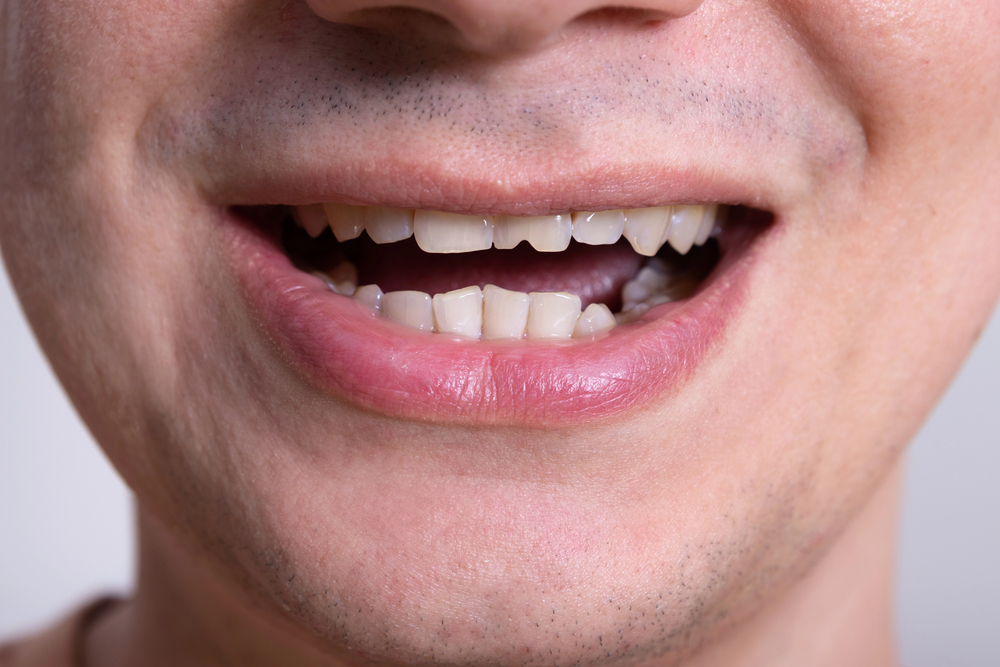
A broken or chipped tooth
Arrange an assessment even if the tooth does not hurt. A small chip may need smoothing or bonding; a larger fracture may need a filling, onlay or crown. If the fracture reaches the nerve, root canal treatment may also be required.
Rinse your mouth gently, avoid chewing on the affected side and bring any tooth fragments with you, preferably kept moist in milk. Tell the dentist if the tooth is painful, very sensitive or cutting your tongue or cheek.
A filling that has fallen out
Usually, a lost filling is urgent rather than a medical emergency.
Contact your dentist and arrange an appointment.
In the meantime:
- keep the area clean
- avoid very hard foods on that tooth
- avoid repeatedly testing it with your tongue
- don’t put household glue into the tooth.
Yes, we need to say that last one.
If the tooth becomes painful, extremely sensitive or starts breaking further, let us know because that may change how quickly you should be seen.
You can book an appointment online here.
A crown that has come off
Keep it. Don’t throw the crown away. Place it somewhere safe and contact your dentist.
Depending on why it came off and the condition of the tooth underneath, it may be possible to clean and recement the crown.
Other times, the tooth or crown needs additional treatment.
Please don’t use superglue to put it back yourself.
Apart from being unsuitable for the mouth, gluing a crown incorrectly can make our job considerably more interesting than it needs to be.
My Child Knocked Out a Tooth. What Do I Do?
First, work out whether it is a baby tooth or an adult tooth. The advice is different.
If it is a baby tooth
Do not put a knocked-out baby tooth back into the socket.
Replanting it can damage the developing adult tooth underneath. The Royal Children’s Hospital’s dental trauma guidance also advises that knocked-out baby teeth should not be replanted. Contact a dentist for advice and assessment of the injury.
You can also read more about our approach to children’s dentistry on the Northern Beaches.
If it is an adult tooth
A knocked-out adult tooth needs immediate dental care. Time matters.
- Pick it up by the crown, the visible white part, rather than the root.
- If dirty, rinse it gently in milk or briefly under cold running water. Do not scrub the root or remove attached tissue.
- If the person is alert and cooperative, and it can be done safely, gently replace it in the socket without forcing it. Bite gently on a clean cloth to help hold it in place.
- If it cannot be replaced safely, put it in a clean container covered with milk and seek a dentist immediately.
Do not let the tooth dry out. Do not wrap it in a tissue or store it in water. Do not keep a loose tooth inside a young child’s mouth because of the risk of swallowing or inhaling it.
If you are unsure whether it is a baby or adult tooth, keep it in milk and seek immediate dental advice. HealthyWA’s knocked-out tooth guidance also explains why prompt care and keeping the tooth moist are important.
What if my child only chipped a front tooth at sport?
Contact a dentist promptly after the injury so they can advise how urgently your child needs assessment.
Even a small-looking chip can be associated with damage to the nerve or root that is not immediately obvious. Bring any broken fragment with you.
Once the injury has been managed, consider prevention. Tooth Sparkler makes custom-fitted sports mouthguards for children, teenagers and adults. A properly fitted mouthguard provides better protection and retention than a generic boil-and-bite mouthguard.
You can read more about custom sports mouthguards at Tooth Sparkler.
Is Wisdom Tooth Pain an Emergency?
A partially erupted wisdom tooth can develop inflammation around the overlying gum, known as pericoronitis. Food and bacteria can collect in the area, causing pain, swollen gum, a bad taste, difficulty chewing or pain extending towards the ear or jaw.
Arrange a dental assessment to establish the cause and whether the tooth can be managed conservatively or needs removal.
Increasing facial swelling, fever or significant difficulty opening your mouth needs urgent assessment. Difficulty breathing or swallowing requires emergency medical help.
What Can I Do While Waiting to See a Dentist?
Temporary measures may reduce discomfort, but they do not treat the underlying cause:
- Keep the area clean and gently rinse your mouth if comfortable.
- Choose soft foods and avoid chewing on the affected side.
- Use a cold compress on the outside of the cheek for swelling or an injury.
- Use suitable over-the-counter pain relief according to the label. Ask a pharmacist if you are unsure what is appropriate, especially for a child or if you have medical conditions or take other medicines.
- Avoid placing aspirin directly on a tooth or gum, using household glue or trying to drain a swelling yourself.
Do not use these measures to postpone urgent assessment. A knocked-out adult tooth needs immediate attention, and serious medical warning signs require emergency help.
What Happens at an Emergency Dental Appointment?
One of the biggest misconceptions about emergency dentistry is that everything has to be permanently fixed during the first appointment.
It doesn’t.
At Tooth Sparkler, our first priority during an emergency appointment is:
Diagnose. Relieve pain. Make things safe. Stabilise the situation.
That might involve:
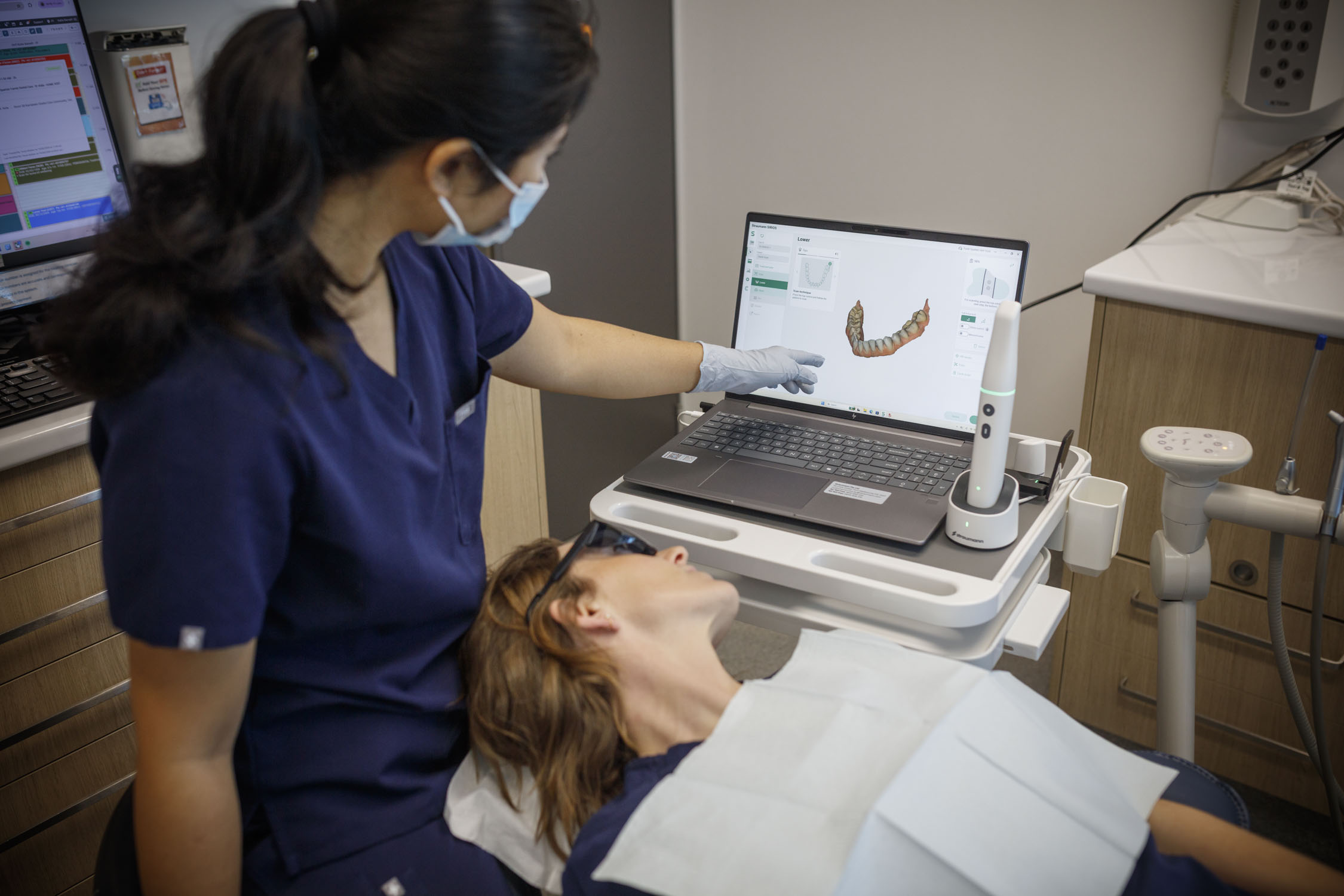
- examining the problem
- taking appropriate X-rays
- testing the tooth
- relieving pain or pressure
- placing a temporary restoration
- smoothing a sharp edge
- draining an infection where appropriate
- removing a tooth if indicated and feasible
- beginning another treatment
- making a plan for definitive care.
Sometimes treatment can be completed at that appointment. In other cases, temporary treatment can stabilise the problem, with definitive care completed at a later appointment.
Will I need an X-ray for toothache?
Often, yes.
We can’t see inside a tooth or underneath the gum simply by looking at it.
Depending on the problem, dental imaging can help us assess:
- decay
- the roots of teeth
- infection around a root
- bone levels
- impacted teeth
- fractures
- previous root canal treatment
- wisdom teeth.
In some situations, a larger image such as an OPG or 3D CBCT scan may provide additional information.
At Tooth Sparkler, appropriate dental imaging can be incorporated into your assessment when clinically indicated.
How Can I Reduce the Risk of Dental Emergencies?
Not every emergency is preventable. Children still fall, teeth can crack and sporting injuries happen. However, many painful problems begin as smaller issues.
Regular dental care can help identify decay, cracks, failing restorations, gum disease, tooth wear and wisdom tooth problems before they become more difficult to manage. Our guide to how preventive dental care can help avoid larger dental costs explains why earlier care matters.
Recall intervals should reflect your individual risk.
Read how often you should visit the dentist for more detail.
What If My Decay Risk Has Suddenly Increased?
Sometimes dental emergencies occur because the oral environment has changed.
Dry mouth, medications, changes in saliva, diet and other health factors can all affect your risk of developing decay.
If your mouth has become drier or you’re suddenly developing cavities despite good brushing, tell your dentist. You may benefit from a more targeted remineralisation strategy.
Our guide to toothpaste, hydroxyapatite and remineralisation explains how preventive products can be matched to your needs. You can also read about fluoride and dental health.
For practical home-care advice, see How to Keep Your Teeth and Gums Healthy at Home.
Arrange the Right Care for Your Symptoms
When you contact Tooth Sparkler, tell us what happened, when it started, and whether you have pain, swelling, fever, bleeding or an injury. This helps us assess how urgently you need care.
During clinic hours, call (02) 9971 6134. For non-immediate appointment requests, you can book online. Our contact page has our Frenchs Forest location and opening hours.
After-hours texts are not monitored continuously, and an immediate response or appointment cannot be guaranteed. Do not wait for an online booking or text reply if a tooth has been knocked out or you need other time-sensitive care. Seek an available dentist.
Call 000 for difficulty breathing or swallowing, or another life-threatening emergency. Serious swelling, uncontrolled bleeding and major facial injuries need urgent medical assessment.
Note: This information is general and does not replace individual dental or medical advice. If you are concerned about your symptoms, seek assessment from a dentist or an appropriate medical service.