Hot flushes. Night sweats. Poor sleep. Brain fog. Mood changes.
Most women have heard about these symptoms of perimenopause and menopause.
But dry mouth, changes to your gums and an increased risk of sleep apnoea?
Not so much.
Yet hormonal changes during perimenopause and menopause may affect the mouth, saliva, sleep and airway. Menopause and oral health are more closely connected than many people realise. Recent scientific research identifies xerostomia, the sensation of dry mouth, and altered taste among the oral manifestations commonly reported around menopause.
The important message is that these changes aren’t simply something women have to put up with.
Once we recognise what is happening, there is actually quite a lot we can do about it.
Side note from Tooth Sparkler: Dr Sara is yet to personally experience these particular symptoms, but given the passage of time, they’re probably imminent. Kris has successfully made it out the other side, while Mae is currently in the thick of it. So if you arrive at the practice one morning and it feels like it’s minus five degrees inside, but Mae is still standing at reception sweating profusely, you’ll know why. Please resist the urge to turn the heating up.
Why Can Menopause Affect Your Mouth?
During perimenopause and menopause, levels of oestrogen and progesterone fluctuate and eventually decline.
We tend to associate these hormones with the reproductive system, but hormonal changes can have effects throughout the body, including the oral environment.
Women may notice changes in:
- saliva production and composition
- the sensation of moisture in the mouth
- gum inflammation
- oral tissues and sensitivity
- taste
- burning or tingling sensations
- susceptibility to tooth decay
- sleep and breathing.
A 2025 scoping review examining recent research into menopause and oral health found changes involving saliva, periodontal tissues, alveolar bone and the oral microbiome.
In other words:
Your mouth is part of your body, and it notices menopause too.
This whole-body connection is something we talk about a lot at Tooth Sparkler. If you’re interested, you can also read more about how oral health and overall health are connected.
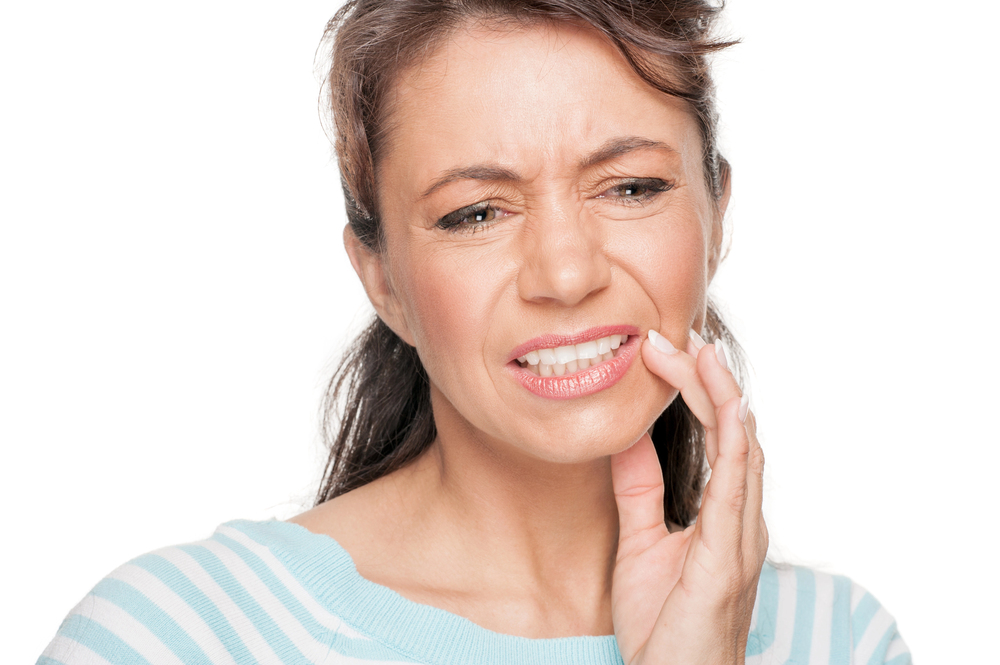
Dry Mouth During Menopause
One of the most overlooked oral symptoms associated with menopause is dry mouth, also called xerostomia.
The Henry Schein Australia article The Menopause Symptom No One Talks About also highlights this often-overlooked connection.
There is an important distinction:
Xerostomia means feeling that your mouth is dry.
Hyposalivation means that your salivary glands are actually producing less saliva.
You can have one without the other.
And that distinction matters because saliva isn’t just there to stop your mouth feeling dry.
Saliva Is One of Your Mouth’s Best Defence Systems
Saliva helps:
- neutralise acids
- wash food debris away
- protect and lubricate oral tissues
- remineralise teeth
- control microorganisms
- protect against tooth decay
- make speaking and swallowing easier.
So when saliva quantity or quality changes, the consequences can extend well beyond simply feeling thirsty.
You might notice:
- A sticky or dry feeling in your mouth, particularly overnight
- Waking up needing water
- A dry or burning tongue
- Cracked lips or corners of the mouth
- Difficulty swallowing dry foods
- Changes in taste
- Bad breath
- More sensitive teeth
Or perhaps the most frustrating one:
You’re suddenly getting decay despite looking after your teeth exactly as you always have.
That deserves investigation rather than judgement.
Why Can Dry Mouth Occur Around Menopause?
We don’t yet have every answer.
Research suggests that menopause can be associated with changes in salivary flow and composition, although the relationship is complex and isn’t simply a matter of “less oestrogen equals less saliva”.
Dry mouth in midlife is often multifactorial.
There is another major contributor:
Medications.
By midlife, many people are taking medications that can themselves contribute to dry mouth.
These can include some:
- antidepressants
- antihistamines
- blood pressure medications
- bladder medications
- pain medications
- sedatives and other commonly prescribed medicines.
Medical conditions, disturbed sleep and other factors can also contribute.
That means dry mouth is not something we should simply label “menopause” and ignore.
We want to work out:
Why is your mouth dry, what is it doing to your oral environment, and what can we change?
What Can I Actually Do About Menopausal Dry Mouth?
This is where dentistry can make a surprisingly big difference.
If you’re experiencing dry mouth, tell us.
Even if it seems like a minor symptom.
We can assess your saliva, teeth, gums, medications, diet and other risk factors and develop a preventive plan around your particular oral environment.
1. Sip Water Regularly
Small, frequent sips can help keep your mouth comfortable.
Keep water beside your bed if you’re waking with a dry mouth overnight.
2. Stimulate the Saliva You Still Produce
If appropriate for you, sugar-free or xylitol-containing chewing gum can help stimulate salivary flow.
The key word here is stimulate. If the salivary glands are still functioning, encouraging them to produce more of your own saliva can be very helpful.
3. Support Remineralisation
This is an important one.
When saliva protection falls, remineralising agents can become even more important because your teeth may no longer have the same natural protection and repair capacity they once did.
Depending on your individual oral environment and decay risk, we may recommend products containing:
- fluoride
- hydroxyapatite
- bioavailable calcium and phosphate compounds
- or a combination of remineralising strategies.
For some patients, we may recommend a product such as Tooth Mousse, which contains a bioavailable calcium-phosphate complex designed to support remineralisation and help strengthen vulnerable tooth surfaces.
There isn’t necessarily one “best toothpaste” for every menopausal woman.
The best choice depends on things such as your saliva flow, decay risk, tooth sensitivity, diet, existing restorations and personal preferences.
If you’d like to understand what is actually inside different toothpastes, including hydroxyapatite and calcium-phosphate products, have a look at our Tooth Sparkler guide to toothpaste and remineralisation.
We’ve also written separately about fluoride, remineralisation and protecting teeth from decay.
Rather than simply buying every oral-health product on the pharmacy shelf, ask us what would actually benefit your mouth.
4. Consider Saliva Gels or Substitutes
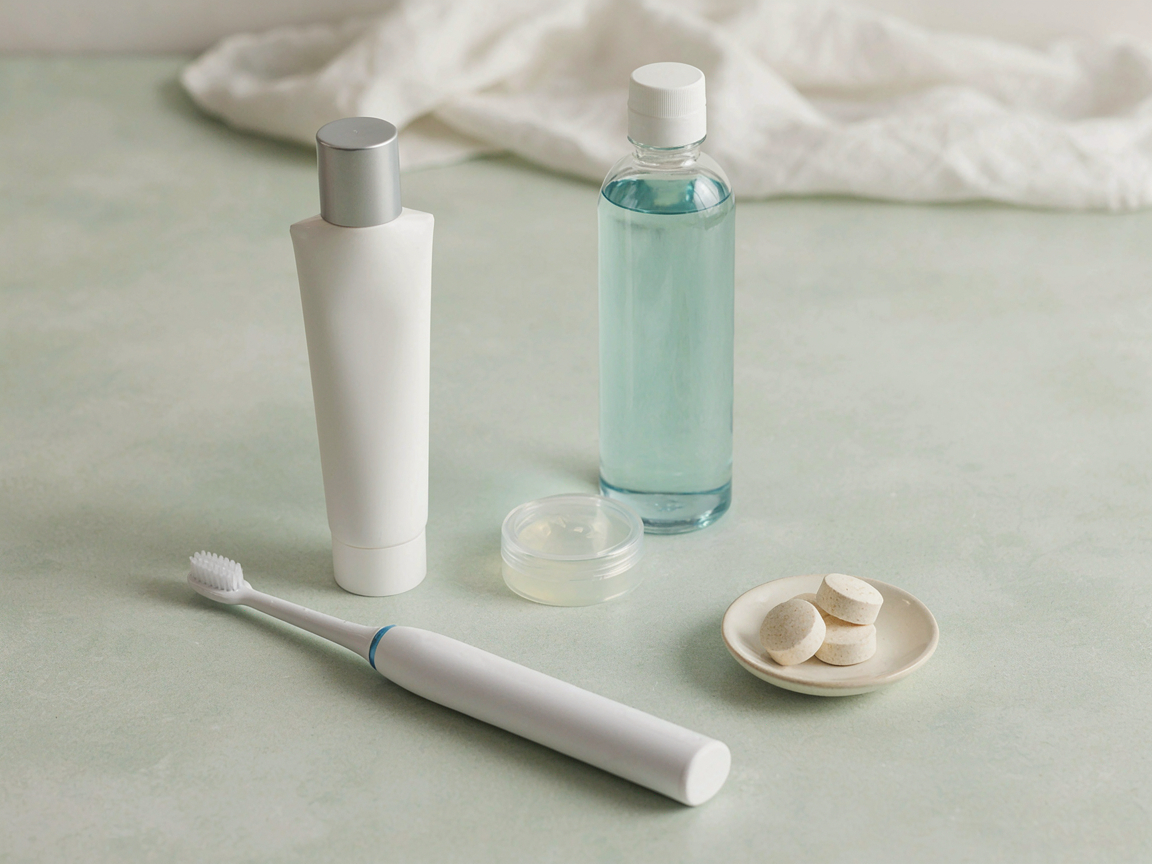
Saliva substitutes, moisturising gels and sprays can help some people.
Gels can be particularly useful before bed because they tend to remain in contact with the oral tissues longer than a quick spray.
For some people, using a moisturising product before sleep and keeping water beside the bed may help make nighttime dryness more manageable.
5. Be Careful What You’re Sipping
This is a big one.
When your mouth feels constantly dry, it is tempting to keep sipping something.
But constantly sipping:
- juice
- soft drink
- kombucha
- lemon water
- sports drinks
- sweetened tea
- other acidic or sugary drinks
can dramatically increase the risk of tooth decay and erosion.
You might be sipping because you’re trying to make your mouth feel better while unintentionally creating a more acidic environment for your teeth.
Water is your teeth’s friend.

6. Review Your Medications
If we suspect a medication is contributing significantly to dry mouth, we may suggest discussing it with your GP or specialist.
Sometimes an alternative medication, dosage or timing may be possible.
Never stop or change a prescribed medication without discussing it with the person managing it.
7. Adjust Your Preventive Dental Care
Someone who has had very little decay throughout their life can suddenly become higher risk when their saliva changes.
That doesn’t mean you’ve suddenly become bad at looking after your teeth.
It means the environment in your mouth has changed.
So we change the prevention strategy too.
That might mean:
- more frequent preventive visits
- remineralising therapies tailored to your individual risk
- fluoride, hydroxyapatite or calcium-phosphate products where appropriate
- saliva management
- dietary advice
- monitoring vulnerable tooth surfaces
- managing exposed roots
- treating early mineral loss before it progresses into a cavity.
This is exactly why preventive dentistry matters. Catching a change in risk early is generally much easier than repairing the damage afterwards. You can read more about our approach in how preventive dental care can save you money.
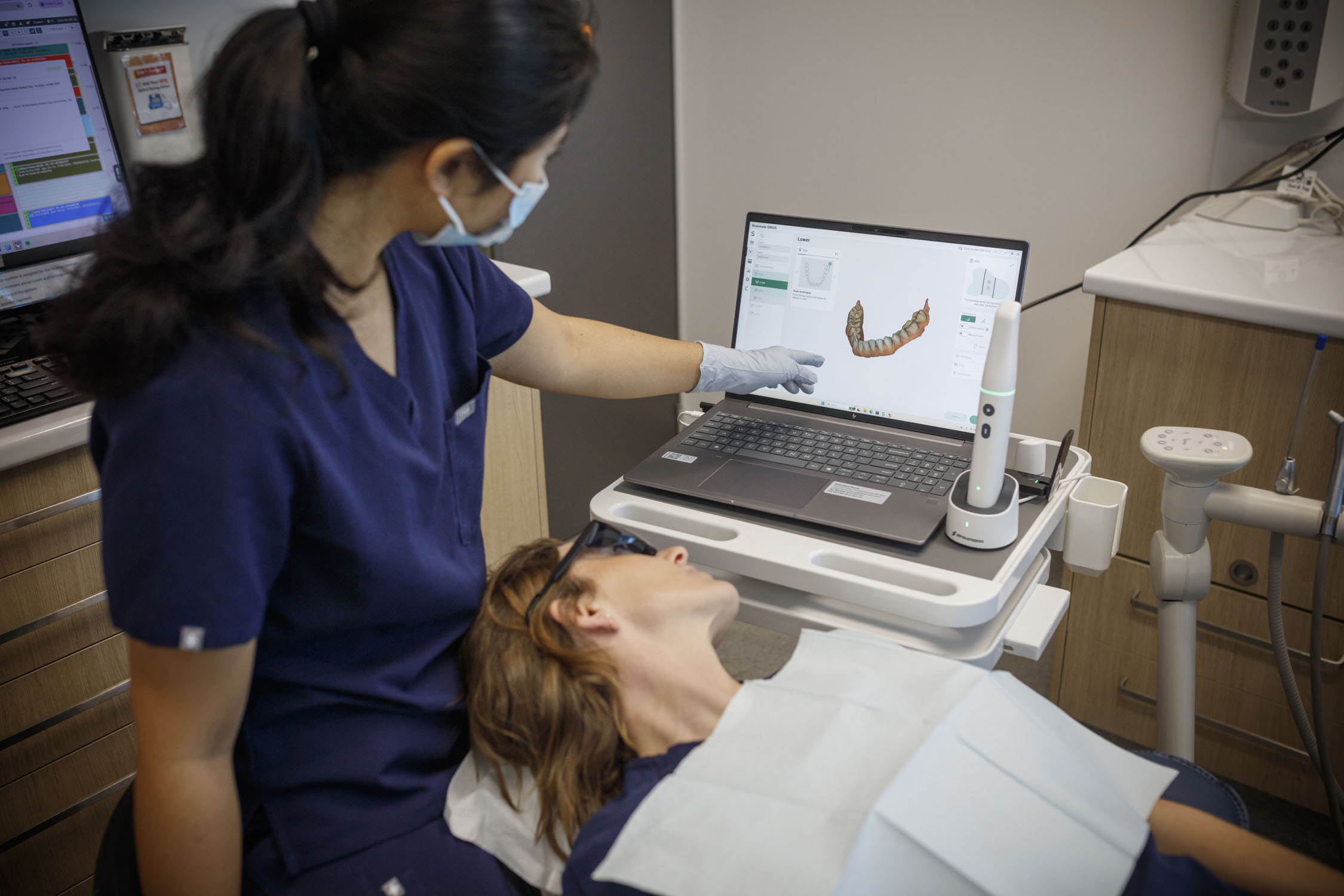
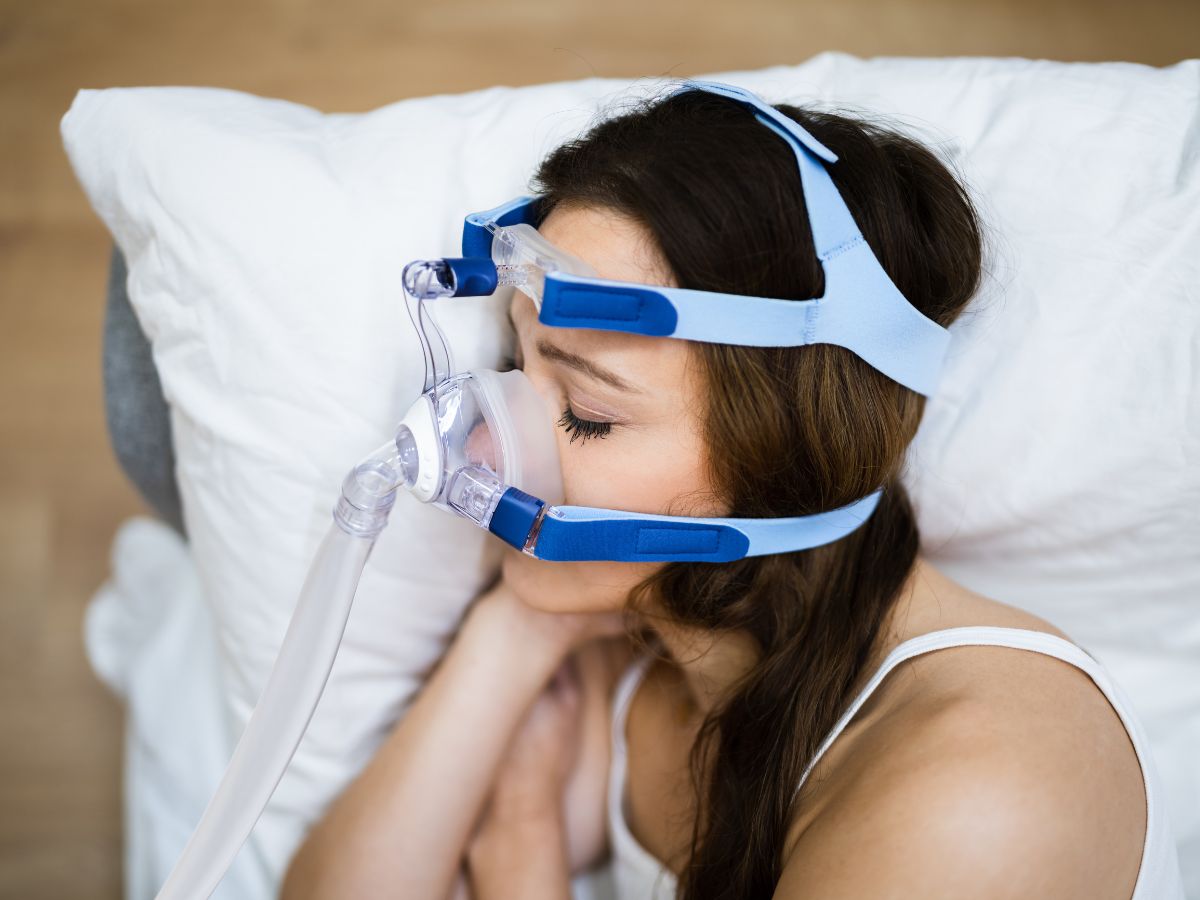
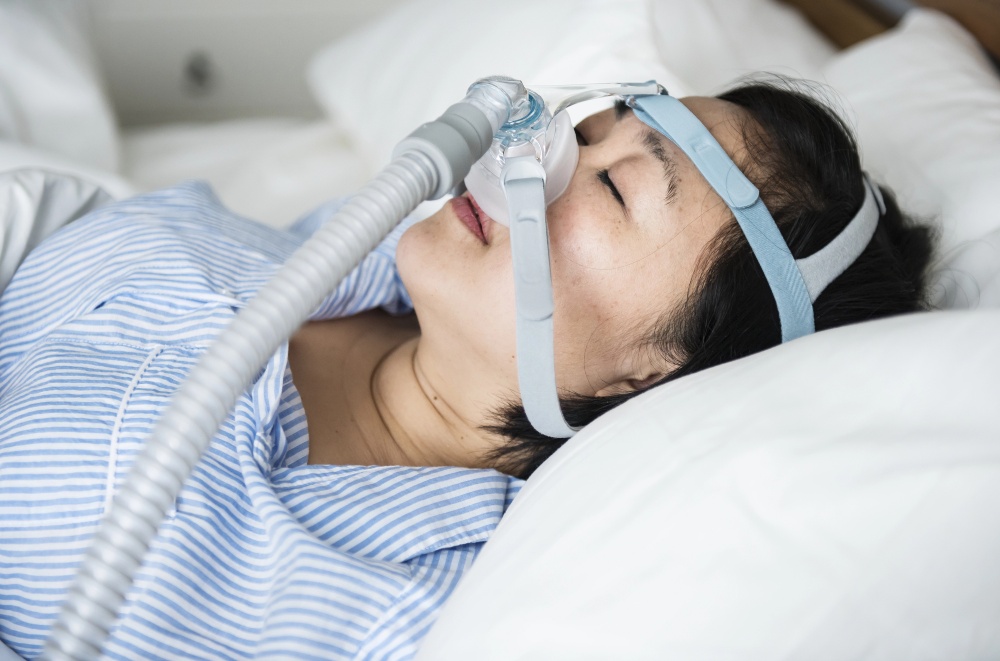
Menopause, Snoring and Sleep Apnoea
There is another menopause-related change that deserves much more attention:
Sleep apnoea.
Obstructive sleep apnoea or OSA occurs when the upper airway repeatedly narrows or collapses during sleep, causing breathing to reduce or temporarily stop.
And the risk of sleep-disordered breathing increases as women transition through and beyond menopause. A 2025 prospective cohort study also examined the association between menopausal transition and obstructive sleep apnoea.
This is increasingly recognised in sleep medicine.
Importantly, the relationship isn’t necessarily explained simply by getting older or gaining weight.
Hormonal and physiological changes occurring around menopause may influence upper-airway behaviour and breathing during sleep.
Sleep Apnoea in Women Doesn’t Always Look Like “Classic” Sleep Apnoea
When people imagine someone with sleep apnoea, they often picture an overweight middle-aged man who snores loudly and falls asleep on the couch.
That’s part of the problem.
Women can present differently.
Instead of obvious daytime sleepiness, women may report:
- insomnia
- restless or fragmented sleep
- morning headaches
- waking frequently
- fatigue
- anxiety or mood changes
- difficulty concentrating
- waking with a racing heart
- waking with a dry mouth
- snoring
- waking choking or gasping
- never feeling refreshed despite apparently sleeping for eight hours.
Notice something?
A lot of those symptoms sound remarkably similar to symptoms commonly attributed to menopause.
That’s why it can be easy to say: “It’s just menopause.”
Sometimes it isn’t.
And sometimes menopause and sleep-disordered breathing are occurring together.
What Does Sleep Apnoea Have to Do With My Dentist?
Potentially quite a lot.
Dentists spend an unusual amount of time looking at structures directly related to your airway.
During a dental examination, we may notice things such as:
- tooth grinding or significant tooth wear
- dry mouth
- scalloping around the tongue
- a relatively large tongue
- a narrow dental arch
- enlarged tonsils
- a small or retruded lower jaw
- signs of mouth breathing.
None of these findings, by themselves, means you have sleep apnoea.
But when we combine them with symptoms such as new snoring, unrefreshing sleep, morning headaches, fatigue or witnessed pauses in breathing, they can provide important clues.
At Tooth Sparkler, we can screen for sleep-disordered breathing, assess dental and airway-related risk factors and help guide patients towards appropriate sleep assessment.
A dentist does not diagnose obstructive sleep apnoea simply by looking in your mouth.
Proper diagnosis requires appropriate sleep testing and medical involvement.
But sometimes your dental appointment can start the conversation.
We’ve put together a much more detailed guide explaining sleep apnoea, snoring, sleep studies and dental sleep appliances if you’d like to explore this further.
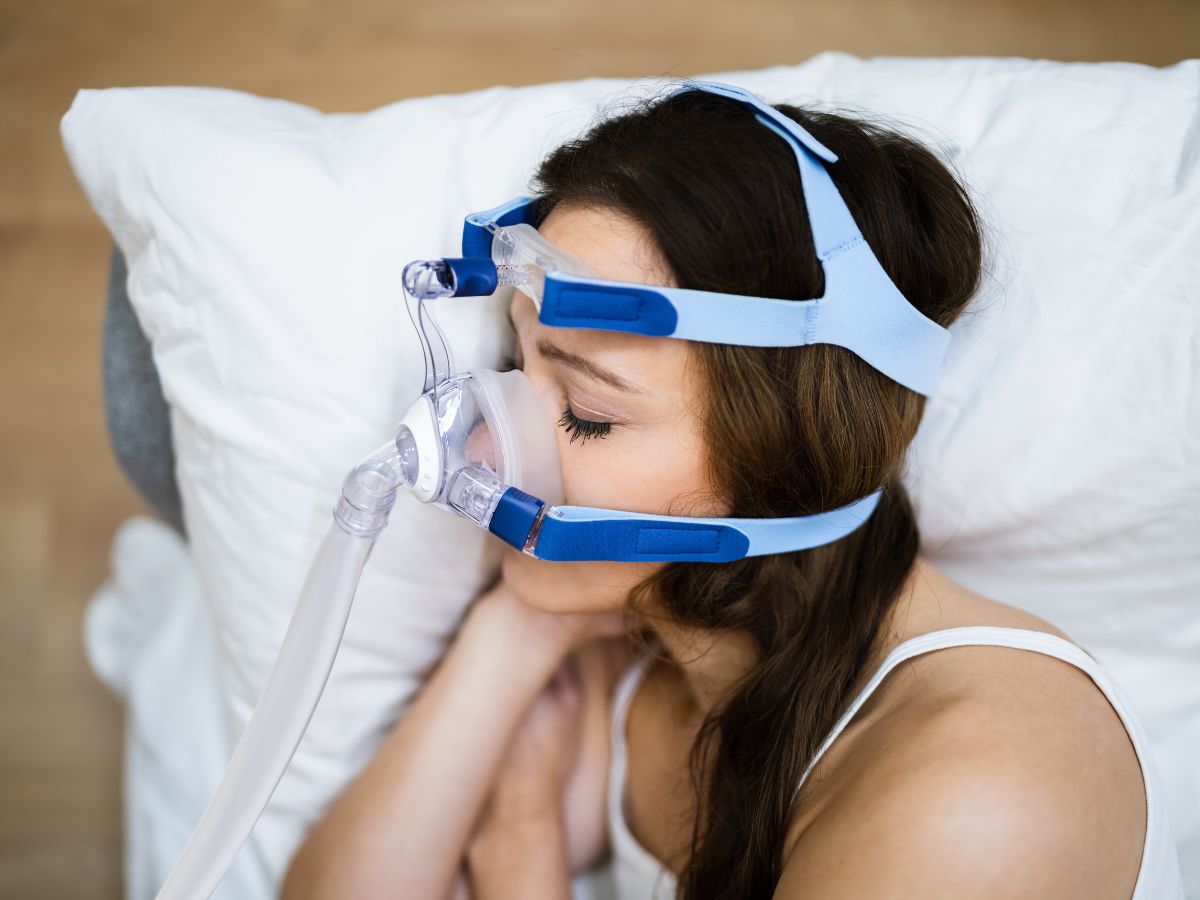
“I’ve Started Snoring Since Menopause. Should I Worry?”
Not necessarily, but don’t automatically dismiss it either.
New or worsening snoring during perimenopause or after menopause is worth mentioning, particularly if it occurs alongside:
- waking unrefreshed
- daytime fatigue
- morning headaches
- dry mouth on waking
- waking choking or gasping
- witnessed pauses in breathing
- high blood pressure
- difficulty concentrating.
The good news?
Sleep apnoea can be treated and managed.
Depending on the diagnosis and severity, management may involve lifestyle measures, positional therapy, CPAP, management of nasal obstruction or, for appropriately selected patients, a custom mandibular advancement device.
There isn’t one treatment that is right for everybody.
And a mandibular advancement device isn’t simply a fancy anti-snoring mouthguard. Patient selection, dental health, jaw health, appliance design, titration and follow-up all matter.
You can read more about mandibular advancement devices and dental treatment for sleep apnoea at Tooth Sparkler.
Finding out what is actually happening is the first step.
Is Hormone Replacement Therapy the Answer?
Menopausal hormone therapy can be extremely helpful for appropriately selected women experiencing menopausal symptoms, but decisions about hormone therapy belong with your GP or menopause specialist.
When it comes specifically to dry mouth and obstructive sleep apnoea, the evidence isn’t strong enough to regard hormone therapy as a standalone treatment for either condition.
Research into hormone therapy, oral symptoms and sleep-disordered breathing is continuing.
So our approach isn’t:
“You’re menopausal. Take hormones.”
It is:
“Something has changed. Let’s work out what’s happening and what we can do about it.”
Your Menopause Oral Health Checklist
If you’re approaching, experiencing or past menopause, consider mentioning it at your next dental appointment, particularly if you’ve noticed changes.
Tell us if:
✓ Your mouth suddenly feels dry.
✓ You wake needing water.
✓ Your tongue or mouth burns or feels unusually sensitive.
✓ Food tastes different.
✓ You’re suddenly developing cavities despite good oral hygiene.
✓ Your gums bleed more easily.
✓ You’ve started snoring or your snoring has become worse.
✓ You wake exhausted despite spending enough time asleep.
✓ Someone has noticed you stop breathing, choke or gasp while asleep.
✓ You’ve started grinding or clenching your teeth.
✓ You’ve recently started medications and noticed your mouth becoming drier.
These aren’t complaints to be embarrassed about.
They’re clinical information.
And they can help us look after you better.
Menopause Isn’t a Dental Disease
Menopause is a normal biological transition.
The aim isn’t to medicalise every change that happens during it.
It’s to recognise that hormonal changes can affect much more than periods and hot flushes — and women deserve to know about those changes.
Dry mouth can be managed.
Higher decay risk can be anticipated.
Your teeth can be supported and protected.
Sleep apnoea can be investigated and treated.
And you don’t need to wait until something becomes a major problem before mentioning it.
Sometimes the most useful sentence you can say at your dental appointment is simply:
“Something has changed.”
We’ll take it from there.