This article was inspired by Dr Kate Reid’s article, “Obstructive sleep apnea – A lethal threat to vision”, published by the Australian Society of Ophthalmologists.
When people think about obstructive sleep apnoea (OSA), they often think of loud snoring.
Snoring can be a clue, but OSA is much more than a noisy night.
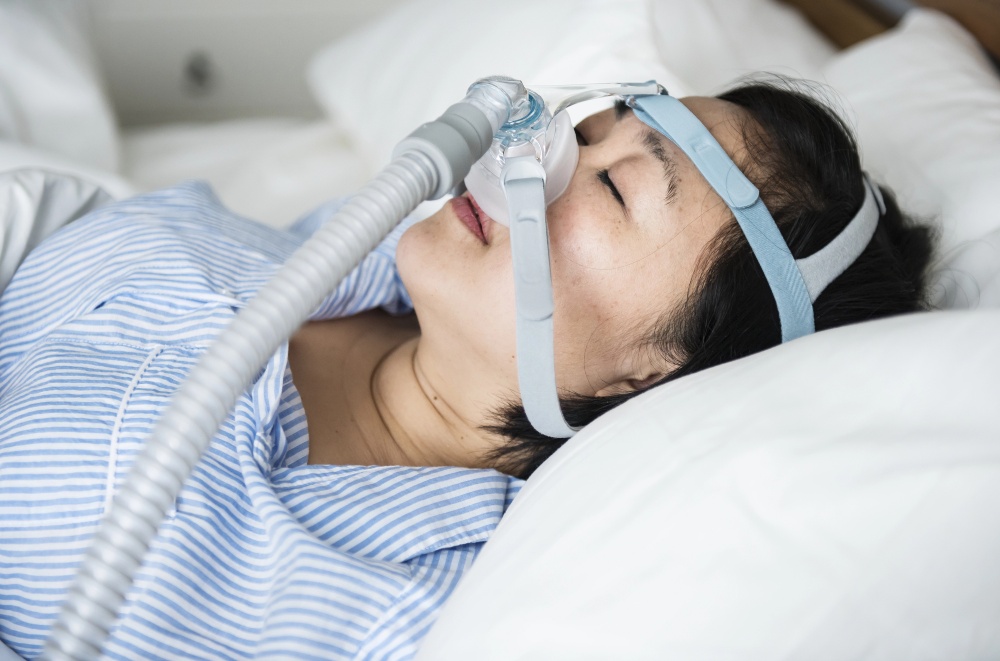
Obstructive sleep apnoea occurs when the upper airway repeatedly narrows or collapses during sleep. Breathing may partially or completely stop for short periods, oxygen levels can dip, and the brain briefly wakes the body to reopen the airway. Many people do not remember these awakenings because they are so brief.
The result is sleep that may look like “a full night in bed” but does not give the body the normal rest, oxygen stability, and recovery it needs.
OSA can affect energy, mood, concentration, blood pressure, heart health, metabolic health, eye health, relationships, and safety on the road or at work. It can also affect the mouth, jaw, and oral health.
That is why sleep apnoea deserves a whole-person approach.
How OSA Can Affect the Whole Body
OSA is not simply a throat problem. It can place repeated stress on multiple body systems.
During apnoea events, the body may experience:
- Oxygen fluctuations
- Repeated brief awakenings
- Surges in adrenaline-like stress responses
- Blood pressure changes
- Disrupted sleep architecture
- Inflammation
- Increased cardiovascular strain
Over time, these repeated events may contribute to wider health concerns. People with untreated OSA may be more likely to experience or be investigated for:
- High blood pressure
- Atrial fibrillation or other cardiovascular concerns
- Stroke risk
- Daytime fatigue
- Reduced concentration or brain fog
- Mood changes, irritability, or depression
- Morning headaches
- Insomnia or poor-quality sleep
- Diabetes or metabolic concerns
- Reflux or dry mouth
- Bruxism, clenching, or tooth wear
- Reduced libido or sexual health concerns
- Increased risk of motor vehicle or workplace accidents
This does not mean every person with OSA will develop these conditions. It does mean that breathing, sleep, oxygen levels, oral health, and general health are closely connected. This relationship highlights why it is important to consider the body as a whole, including how closely your oral health and general health are connected.
OSA and Eye Health
One of the most powerful messages from Dr Kate Reid’s article is that OSA can also be relevant to eye health.
The article discusses associations between obstructive sleep apnoea and several potentially serious eye conditions, including:
- Glaucoma
- Non-arteritic anterior ischaemic optic neuropathy (NAION)
- Diabetic retinopathy
- Macular degeneration
- Retinal vein occlusion
This is important because many people think of sleep apnoea as simply a “snoring problem” or a “tiredness problem”. In reality, OSA can have effects well beyond the bedroom.
If you have been diagnosed with OSA or you suspect you may have it, it is worth making sure your broader healthcare team knows. That may include your GP, sleep physician, dentist, optometrist, ophthalmologist, and any other relevant health professionals involved in your care.
Not Everyone with OSA Fits the Stereotype
A common misconception is that OSA only affects older, overweight men who snore loudly.
Many people do fit part of that picture, but many do not.
Some people with OSA do not report obvious snoring. Some do not feel excessively sleepy. Some present more with:
- Insomnia
- Restless sleep
- Morning headaches
- Mood changes
- Fatigue
- Poor concentration
- Clenching or grinding
- Waking with a dry mouth
Women may also present differently. Upper airway anatomy can play a significant role, even when body weight is not the main factor.
This is why it is important not to dismiss symptoms simply because they do not match the “classic” sleep apnoea story.
Simple Screening Can Start the Conversation
Screening questionnaires such as STOP-Bang and the Epworth Sleepiness Scale can help identify people who may be at higher risk of obstructive sleep apnoea.
STOP-Bang asks about:
- Snoring
- Tiredness
- Observed pauses in breathing
- Pressure (high blood pressure)
- BMI
- Age
- Neck circumference
- Gender
A screening tool does not diagnose sleep apnoea. A formal sleep study is needed to determine whether OSA is present and how severe it is.
At Tooth Sparkler Family Dental, we can help identify possible risk factors, discuss symptoms, assess oral and jaw factors that may be relevant, and guide patients towards appropriate medical assessment when needed.
Why Is a Dentist Talking About Sleep Apnoea?
It is a fair question.
Dentists are not sleep physicians, and we do not replace your GP, respiratory physician, sleep physician, ENT, ophthalmologist or other medical specialists.
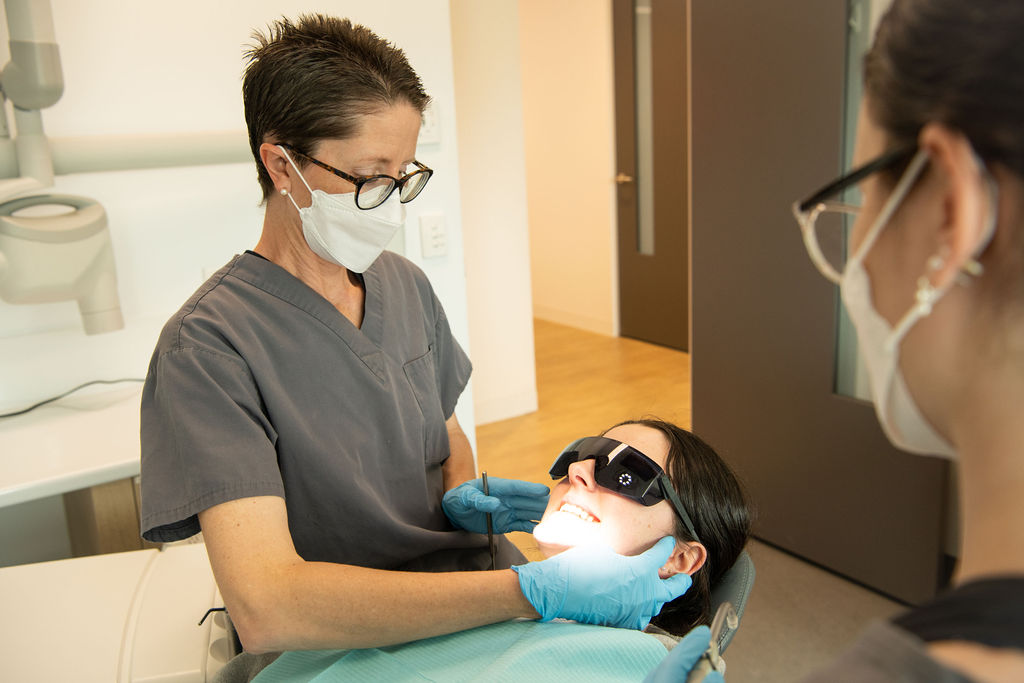
However, dentists see the mouth, teeth, tongue, jaw, bite, and oral airway region regularly. During a comprehensive general dentistry examination, we may notice signs that raise the question of sleep-disordered breathing.
These may include:
- Tooth wear or signs of clenching and grinding
- Dry mouth, especially on waking
- Reflux-related enamel changes
- A scalloped tongue or a crowded oral airway
- Jaw position or bite factors
- Reports of snoring, poor sleep, or morning headaches
- A partner reporting pauses in breathing
- Difficulty tolerating CPAP due to oral or jaw issues
Dentists may also provide one recognised treatment option for selected patients: a mandibular advancement device (MAD).
What Is a Mandibular Advancement Device?
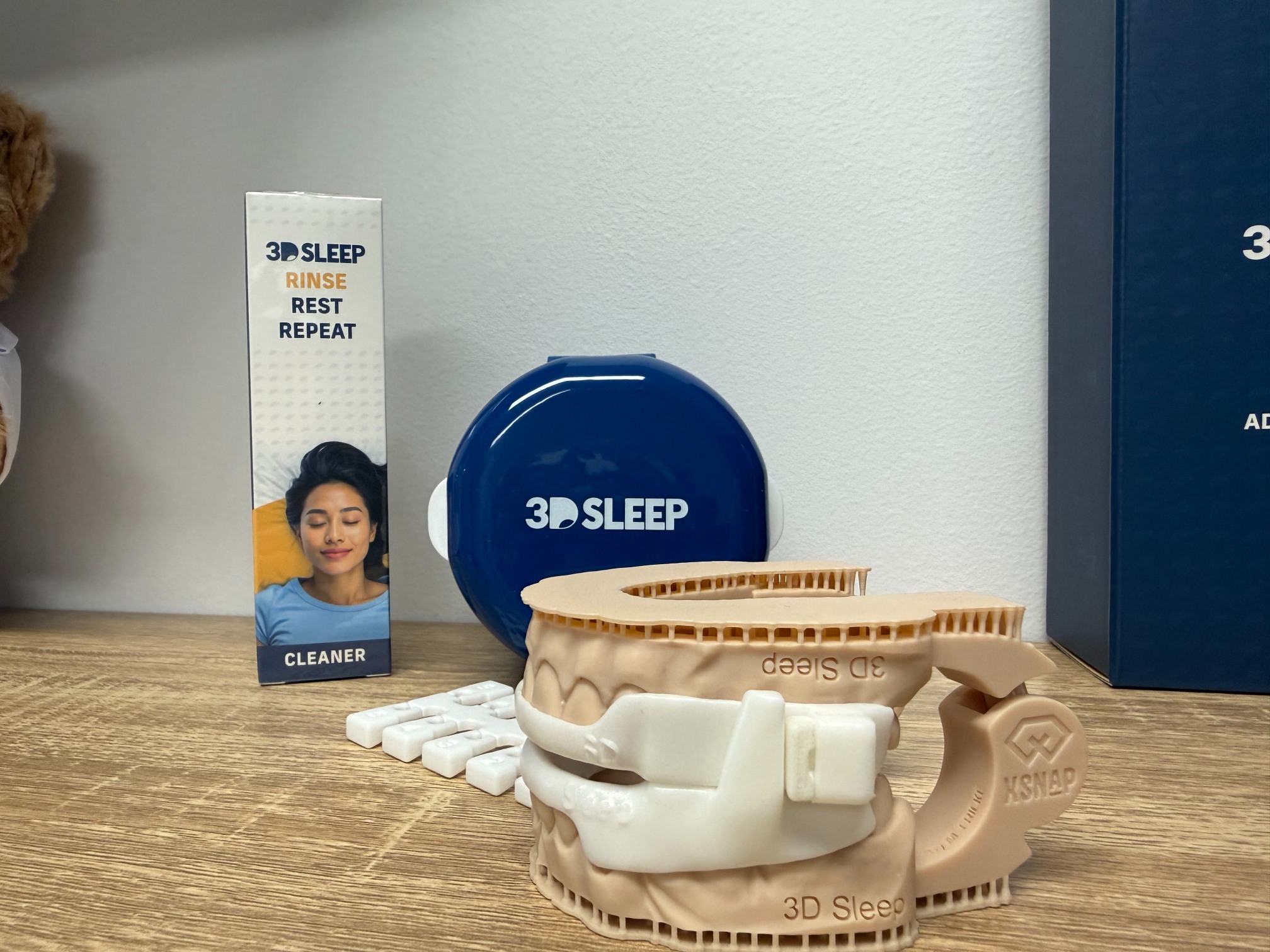
A mandibular advancement device is a custom-made oral appliance worn during sleep. It holds the lower jaw slightly forward, which may help reduce collapse of the upper airway in some people.
A MAD is not suitable for everyone. Suitability depends on factors such as:
- OSA severity
- Oral health
- Jaw joint health
- Number of teeth
- Periodontal stability
- Bite
- Comfort
- Medical recommendations
For some people, CPAP remains the recommended treatment, especially in more severe OSA. For others, positional therapy, ENT management, weight management, medical care, CPAP, a MAD, or a combination of approaches may be discussed.
At Tooth Sparkler Family Dental, our role is to assess whether a dental sleep appliance may be appropriate, ensure the mouth is healthy enough to support one, provide the appliance when suitable, and review comfort, oral health and bite changes over time.
Oral Health Matters Before a MAD
A sleep appliance places forces on the teeth and jaws. Before providing a MAD, it is important to assess:
- Gum health and periodontal stability
- Tooth decay risk
- Existing restorations, crowns, or bridges
- Tooth mobility
- Jaw joint symptoms
- Bite changes or orthodontic history
- Dry mouth and saliva quality
- Grinding or clenching patterns
Good oral health helps make treatment safer and more comfortable. It also helps us monitor changes over time.
This is one reason dental involvement matters. The appliance is not just “a mouthguard for snoring”. It is a medical-dental device that needs careful assessment, fitting, adjustment, and review.
It Takes a Team to Optimise Health
There is an old saying: it takes a village to raise a child.
In healthcare, it often takes a team to optimise your health.
OSA is a perfect example.
Sleep apnoea can involve breathing, airway anatomy, oral health, eye health, mental health, sleep quality, nasal airflow, muscle function, behaviour, fatigue, and general medical risk.
At 49 Frenchs Forest Road East in Frenchs Forest, we are fortunate to be surrounded by a multidisciplinary healthcare network. Depending on your symptoms, diagnosis and individual needs, your care team may include medical specialists, dentists and allied health professionals who each contribute a different part of the picture.
For obstructive sleep apnoea and related concerns, this may include:
- Sleep and respiratory medicine, including Professor Keith Burgess at Peninsula Respiratory Group and Peninsula Sleep Clinic
- Dental assessment and mandibular advancement device care with our team at Tooth Sparkler Family Dental.
- Optometry care with Carolyn McIlvin and the team at OptimEyes Optometry
- Ophthalmology care with Dr Dana Robaei at Forest Eye Surgery
- ENT assessment with the specialists at Sydney Centre for Ear, Nose and Throat (SCENT), located on Level 1
- Facial and jaw physiotherapy with Rebecca Brown and The Facial Physio/TMJ Clinic team, located on Level 1
- Speech pathology support with Talkshop Speech Pathology, next door to Tooth Sparkler
- Occupational therapy support with Lisa Hughes and the Occupational Therapy Helping Children (OTHC) team on the ground floor
- Medical imaging through PRP Diagnostic Imaging Frenchs Forest
- Sleep, psychology, psychiatry, and neuro-related assessment services through Neurocare Frenchs Forest
- Psychological support through Skyline Psychology
With patient consent, good communication between providers can help people receive more coordinated care.
Local services are mentioned here to illustrate the broader healthcare network available around Frenchs Forest and the Northern Beaches. Your individual care pathway should be based on your symptoms, medical history, diagnosis, and your treating clinicians’ advice.
When Should You Ask About Sleep Apnoea?
Consider asking your GP, sleep physician, or dentist about OSA risk if you or your partner notice:
- Loud snoring
- Pauses in breathing during sleep
- Waking, gasping, or choking
- Morning headaches
- Dry mouth on waking
- Daytime tiredness or brain fog
- Difficulty concentrating
- Irritability or mood changes
- High blood pressure
- Grinding or clenching
- Reflux symptoms
- Poor sleep despite enough hours in bed
- Falling asleep unintentionally during the day
Seek medical advice promptly if you are very sleepy while driving, have chest pain, sudden neurological symptoms, severe breathlessness, or other urgent health concerns.
How Tooth Sparkler Family Dental Can Help
At Tooth Sparkler Family Dental in Frenchs Forest, we take a whole-person approach to oral health. We understand that some people delay seeking treatment because of fear or anxiety, which is why our Dental Anxiety Management options are designed to help make appointments more comfortable and relaxed.
For patients concerned about snoring or obstructive sleep apnoea, we can:
- Discuss symptoms and risk factors
- Screen for possible OSA risk
- Assess the mouth, teeth, gums, bite, and jaw joints
- Discuss whether a mandibular advancement device may be suitable
- Communicate with your medical team where appropriate
- Provide and adjust a custom MAD when clinically suitable
- Monitor oral health, comfort, and bite changes over time
- Support dry mouth, tooth wear, reflux-related changes, and gum health
A MAD is one treatment option, not a one-size-fits-all solution. The right plan depends on your diagnosis, OSA severity, medical history, preferences, and ability to use different therapies.
Local Sleep Apnoea Support in Frenchs Forest and the Northern Beaches
If you live in Frenchs Forest, Forestville, Belrose, Davidson, Allambie Heights, Beacon Hill, Brookvale, Dee Why, Manly, Narrabeen, Terrey Hills, Duffys Forest or the wider Northern Beaches, you do not have to navigate sleep apnoea alone.
Sleep health sits at the intersection of medicine, dentistry, airway health, eye health, mental health, and daily function.
If you are worried about snoring, poor sleep, clenching, dry mouth, or whether a mandibular advancement device may be suitable for you, Tooth Sparkler Family Dental can help you start the conversation and connect the dental part of your care with the broader team around you.
To book a sleep apnoea or mandibular advancement device discussion, contact Tooth Sparkler Family Dental, or visit them at Building 2, Level 2, 49 Frenchs Forest Road East, Frenchs Forest NSW 2086.
Note: This information is general and does not replace individual medical advice. Diagnosis of obstructive sleep apnoea requires appropriate medical assessment and sleep testing.