The mouth is not separate from the rest of the body. Increasingly, research suggests that oral health, particularly gum disease, may influence systemic health, including cardiovascular disease, diabetes, and some cancers. Research into oral bacteria and inflammation is also helping scientists understand how gum disease may affect the whole body, including the heart, lungs, and other organs.
Scientists are now exploring possible connections between gum disease and breast health. One growing area of scientific interest is the potential link between periodontal disease and breast cancer biology.
What the research shows
Recent laboratory research has investigated how bacteria commonly associated with gum disease may interact with cancer cells. One bacterium in particular, Fusobacterium nucleatum, has been shown to enter breast cancer cells and promote tumour growth and spread in experimental models.
This bacterium is commonly found in periodontal (gum) infections, where chronic inflammation and bacterial imbalance occur.
While this research does not demonstrate that gum disease causes breast cancer, it highlights a possible biological pathway linking oral bacteria, inflammation, and tumour progression.
These findings reinforce an important concept in modern medicine: chronic inflammation in the body can influence many aspects of health.
Why this matters for oral health
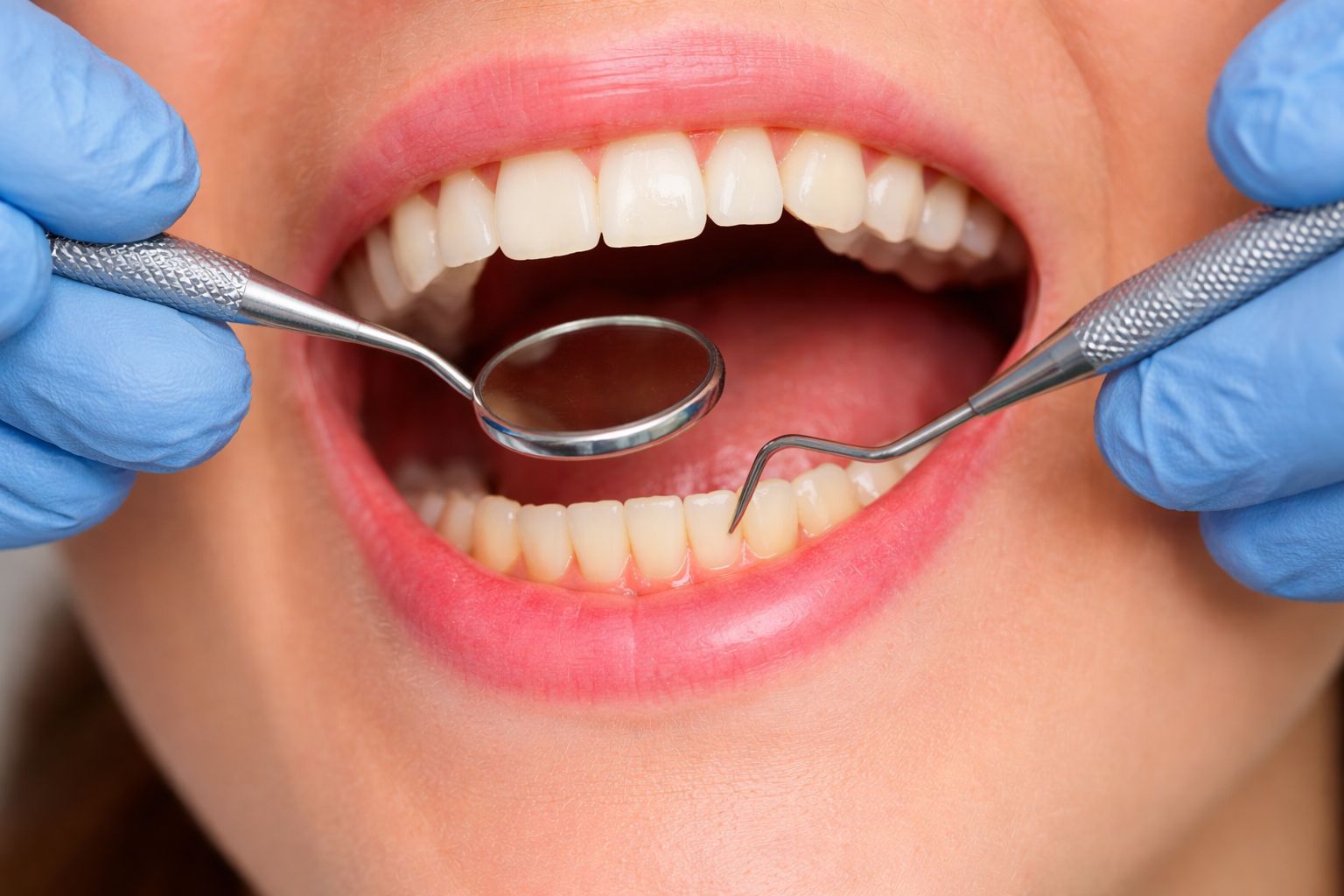
Gum disease is a chronic inflammatory condition caused by bacterial biofilm around the teeth. When untreated, it can lead to gum recession, bone loss, and tooth loss. If you are experiencing symptoms such as bleeding gums or persistent bad breath, it may be helpful to seek professional assessment and treatment.
Because inflammation from periodontal disease may affect the wider body, maintaining healthy gums is increasingly recognised as an important part of preventive healthcare.
How to reduce your risk
Protecting your oral health helps reduce bacterial load and inflammation in the mouth. Evidence-based recommendations include:
- Brushing twice daily with fluoride toothpaste
- Cleaning between teeth with floss or interdental brushes
- Attending regular dental examinations and professional cleans
- Maintaining a balanced diet
- Avoiding smoking
Early gum disease is often silent, which is why regular dental examinations and professional cleans remain one of the most effective preventive strategies. Learning to recognise the early signs of gum disease can also help patients seek care before the condition progresses.
Evidence-based dentistry
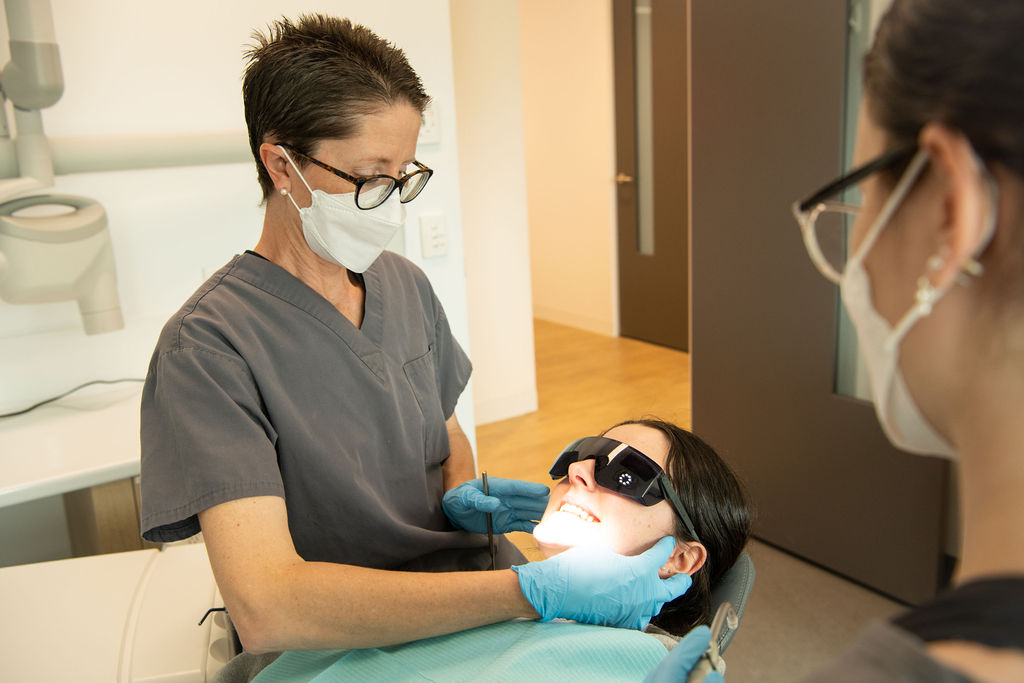
At Tooth Sparkler Family Dental, we believe patients deserve clear, evidence-based information about their health.
Dr Sara Lonergan has always had a strong interest in scientific research. Her first degree was in Medical Sciences, and she enjoys translating emerging research into practical advice that supports long-term health.
As research continues to explore the links between oral bacteria, inflammation, and systemic disease, one message remains clear:
Healthy gums are an important part of whole-body health.