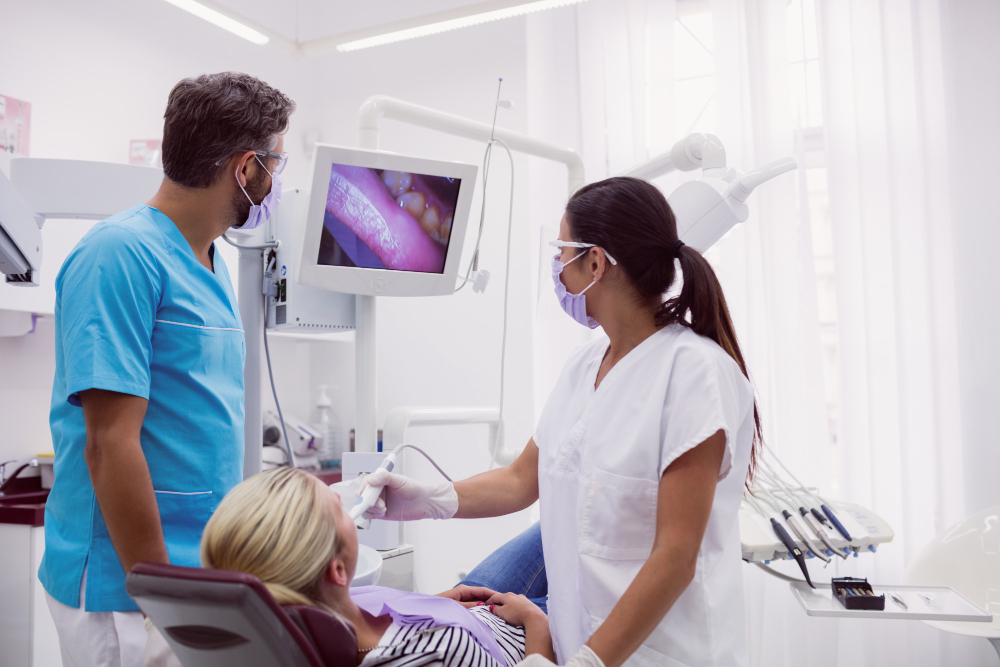
If you’re wondering how to stop grinding teeth, the answer isn’t always as simple as wearing a night guard. Tooth grinding, also known as bruxism, can be linked to stress, sleep quality, airway issues, medications, caffeine, alcohol, muscle tension, and even sleep apnoea. Understanding what’s causing the grinding is often the first step towards finding the most appropriate treatment.
A custom-made night guard or splint can help protect your teeth from damage, but it does not always address the underlying reason why the grinding is happening. Taking a broader approach can help reduce symptoms while protecting your long-term oral health.
What Is Tooth Grinding?
Tooth grinding, or bruxism, is repetitive jaw muscle activity that may involve:
- Grinding the teeth together
- Clenching the teeth
- Bracing the jaw
- Thrusting or tensing the jaw muscles
International bruxism experts define it as repetitive jaw muscle activity involving clenching, grinding, bracing, or thrusting of the mandible. It is generally classified as either awake bruxism or sleep bruxism, as the causes and management may differ.
Some people grind loudly while sleeping, while others clench quietly during the day without realising it. Many only discover they have bruxism after their dentist notices worn teeth, cracked fillings, or other signs of excessive force.
What Causes Teeth Grinding?
There is rarely a single cause of tooth grinding. Instead, it is often influenced by several contributing factors working together.
Common causes of teeth grinding in adults include:
- Stress and anxiety
- Poor sleep quality
- Obstructive sleep apnoea
- Certain medications
- Excess caffeine or alcohol
- Chronic pain
- Habitual daytime clenching
- Airway or breathing issues
Rather than viewing bruxism as only a dental problem, many clinicians now consider it a condition influenced by the nervous system, sleep quality, and overall health.
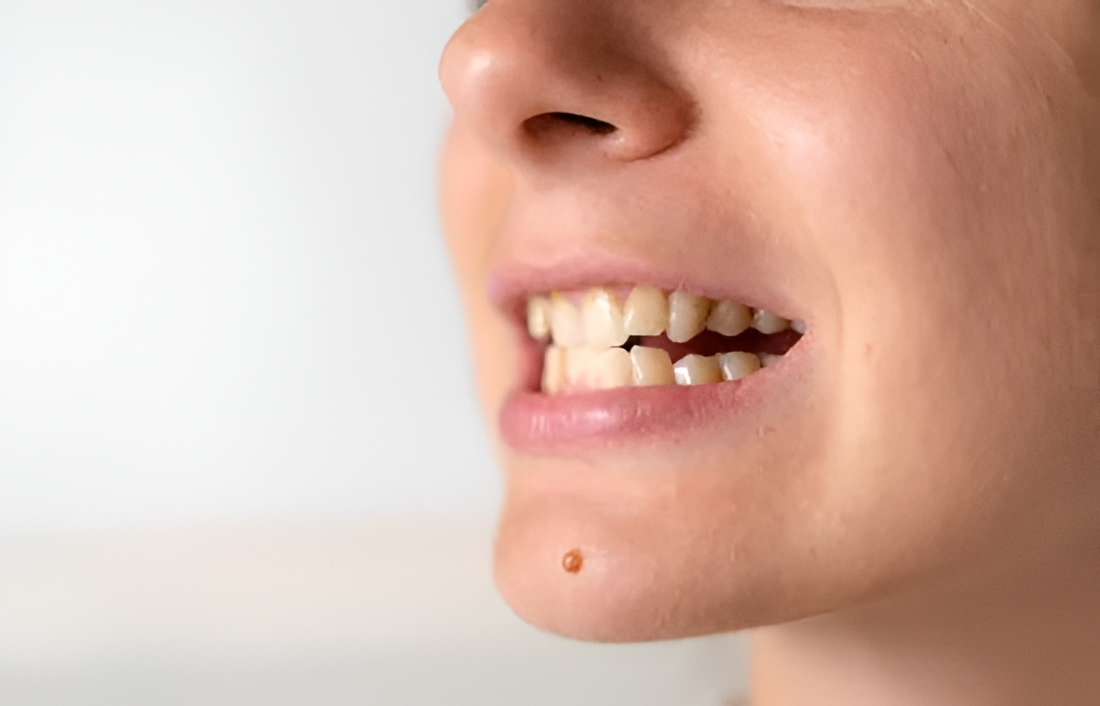
Why Does the Jaw Start Grinding?
Grinding is controlled by the muscles used for chewing, particularly the masseter, temporalis, and pterygoid muscles. These muscles are capable of generating significant force when eating, but during bruxism, they activate when they are not needed.
Sleep Bruxism
During sleep, grinding often occurs around brief changes in sleep depth known as micro-arousals.
During these episodes:
- The brain briefly moves into a lighter stage of sleep.
- Heart rate may increase.
- Breathing patterns can change.
- Jaw muscles may briefly contract.
This is why sleep bruxism is considered a sleep-related movement behaviour, rather than simply being caused by an imperfect bite.
Awake Bruxism
Awake bruxism is usually different.
Many people unconsciously clench their jaw while:
- Working at a computer
- Driving
- Exercising
- Concentrating
- Scrolling on their phone
- Feeling stressed or under pressure
A useful reminder throughout the day is: Lips together. Teeth apart. Tongue resting gently against the palate.
At rest, your teeth should not be touching.
Stress and Tooth Grinding
Stress is one of the most recognised contributors to tooth grinding.
When we’re under stress, the nervous system becomes more alert. Muscle tension increases, breathing may become shallower, and many people unknowingly tighten their jaw, neck, and shoulders.
Research has found an association between stress and bruxism, although the relationship is complex and not everyone who grinds their teeth is experiencing stress.
For many people, grinding is not simply a habit that can be switched off overnight. Instead, it may be the body’s physical response to a nervous system that is remaining in a heightened state of alertness.
Tooth Grinding and Sleep Apnoea
One of the most important contributing factors to consider in some people with sleep bruxism is obstructive sleep apnoea and other forms of sleep-disordered breathing.
In some people, grinding occurs around airway events. When breathing becomes restricted during sleep:
- Oxygen levels may fluctuate.
- Heart rate can increase.
- The brain briefly wakes to reopen the airway.
- Jaw muscle activity may occur during this process.
Research has identified an association between sleep bruxism and obstructive sleep apnoea, although the relationship is not always straightforward. Some researchers believe grinding may occur as part of the body’s attempt to stabilise or reopen the airway during sleep.
This is one reason why a standard night guard is not always the best solution for every patient. If sleep apnoea is suspected, further assessment may be appropriate before treatment begins.
Signs Your Tooth Grinding May Be Related to Sleep Apnoea
Grinding may be linked to an underlying airway issue if you also experience:
- Loud snoring
- Waking tired despite enough sleep
- Morning headaches
- Dry mouth on waking
- Restless sleep
- Waking gasping or choking
- High blood pressure
- Reflux
- Excessive daytime sleepiness
- A partner noticing pauses in your breathing
If these symptoms are present, your dentist may recommend discussing them with your GP or arranging a sleep assessment.
Teeth Grinding in Children
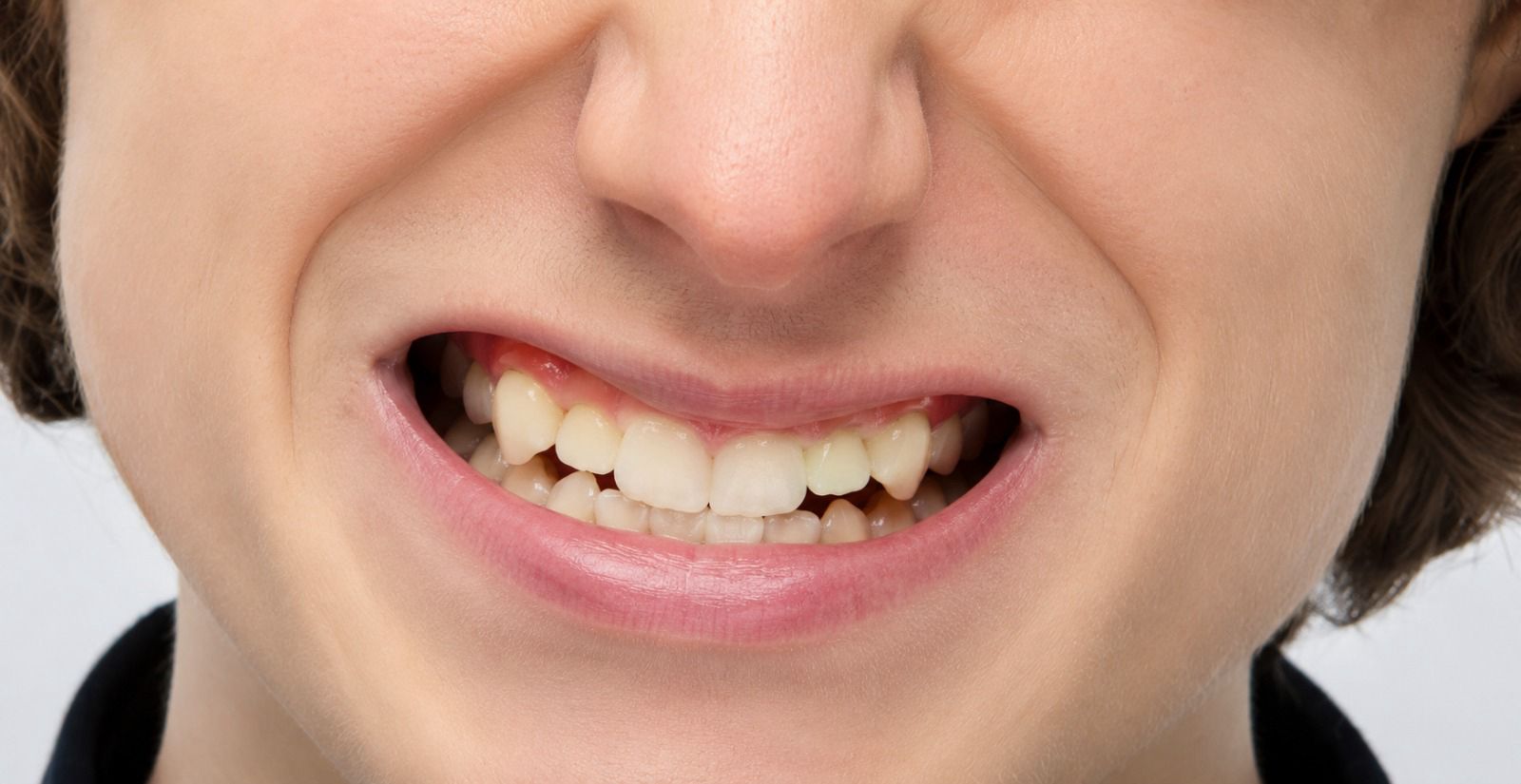
Teeth grinding in children is relatively common and is often temporary. However, persistent grinding should not always be dismissed, particularly if there are signs of sleep-disordered breathing.
Recent research has found an association between sleep bruxism and sleep respiratory disorders in children, although further research is still needed to fully understand the relationship.
Parents should watch for signs such as:
- Snoring
- Mouth breathing
- Restless sleep
- Unusual sleeping positions
- Bedwetting beyond the expected age
- Daytime tiredness
- Hyperactivity
- Difficulty concentrating
- Enlarged tonsils or adenoids
- Frequent blocked nose
- Waking unrefreshed
When these symptoms occur together, grinding may be one sign that a child’s airway, breathing, or sleep quality requires further assessment.
Depending on the individual situation, care may involve a dentist, GP, ENT specialist, paediatrician, speech pathologist, or sleep physician.
How to Stop Grinding Teeth Naturally
There is no single natural remedy that works for everyone because the causes of tooth grinding vary from person to person.
However, several low-risk strategies may help reduce the factors contributing to clenching and grinding.
1. Calm Your Nervous System Before Bed
Because sleep bruxism is often associated with nervous system arousal, improving your evening routine may help promote better-quality sleep.
Helpful strategies include:
- Going to bed and waking at consistent times
- Dimming lights in the evening
- Limiting screen time before bed
- Gentle stretching
- Nasal breathing exercises
- Meditation or mindfulness
- Journaling before bed
- Avoiding stressful conversations late at night
- Reducing caffeine later in the day
- Limiting alcohol, which can negatively affect both sleep quality and breathing
The goal isn’t perfection. It’s helping your body transition from “alert mode” into “rest and repair mode.”
2. Become Aware of Daytime Clenching
Unlike sleep bruxism, daytime clenching can often be improved by increasing awareness.
Simple reminders placed on your computer, phone, or bathroom mirror can prompt you to ask:
- Are my teeth touching?
- Is my tongue relaxed?
- Are my shoulders tense?
- Am I holding my breath?
The ideal resting position remains: Lips together. Teeth apart. Tongue relaxed. Jaw soft.
3. Relax Your Jaw Muscles
Gentle jaw relaxation techniques may help reduce muscle tenderness and increase awareness of unnecessary tension.
Helpful approaches include:
- Applying a warm compress to sore jaw muscles
- Gently massaging the masseter muscles near the angle of the jaw
- Lightly massaging the temporalis muscles at the temples
- Performing gentle jaw stretches if recommended by your dentist or physiotherapist
Avoid aggressive massage if your jaw joint is painful, clicking, or locking.
For some people, seeing a physiotherapist with experience in temporomandibular joint (TMJ) disorders and head or neck pain may also be beneficial.
4. Could Magnesium Help?
Magnesium plays an important role in muscle and nerve function, which is why it is often discussed as a possible way to reduce muscle tension and tooth grinding.
Some people report improvement after taking magnesium supplements, particularly if they have a magnesium deficiency or experience muscle cramps elsewhere in the body.
However, the scientific evidence supporting magnesium as a direct treatment for bruxism is currently limited.
If you’re considering magnesium supplementation, it’s best to discuss it with your GP, pharmacist, or dietitian first, particularly if you have kidney disease or take medications that may interact with supplements.
5. Food Intolerances and Inflammation
Some people notice their tooth grinding improves after identifying foods that negatively affect their sleep, digestion, or breathing.
Food intolerances may contribute indirectly by increasing:
- Nasal congestion
- Reflux
- Poor sleep quality
- General inflammation
However, there is currently no strong scientific evidence that food intolerances directly cause bruxism.
If you notice a consistent pattern between certain foods and worsening symptoms such as worse sleep, blocked nose, reflux, or grinding, it’s worth discussing this with your GP or an Accredited Practising Dietitian rather than eliminating foods without professional guidance.
This is particularly important for children, where unnecessary dietary restrictions may affect nutrition.
6. Check Your Airway
For many people, one of the most important steps in managing tooth grinding is assessing whether they are breathing well during sleep.
Your dentist may recommend screening for sleep apnoea or another form of sleep-disordered breathing if your grinding occurs alongside:
- Snoring
- Mouth breathing
- Morning headaches
- Dry mouth
- Poor-quality sleep
- Fatigue
- Restless sleep
This assessment may involve:
- Dental airway screening
- A GP review
- Referral to an ENT specialist
- A sleep physician assessment
- A home sleep study
- Assessment of enlarged tonsils, nasal obstruction, or allergies
- Treatment such as CPAP or a mandibular advancement device where appropriate
Do Mouth Guards Stop Teeth Grinding?
This is one of the most common questions dentists receive.
The answer is not always.
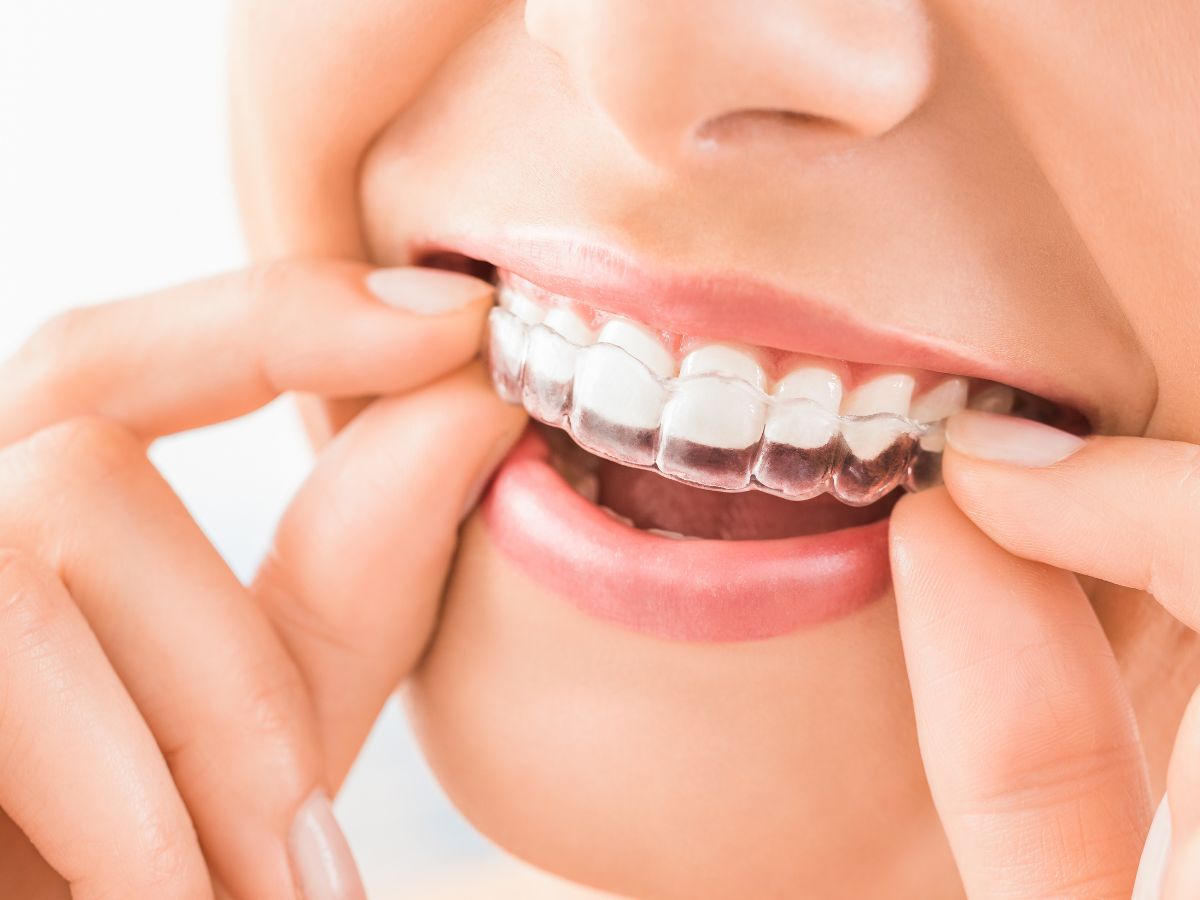
Custom-made night guards (also called occlusal splints) are designed to protect your teeth from excessive wear, fractures, and damage caused by grinding.
They can help reduce:
- Tooth wear
- Chipped teeth
- Cracked fillings
- Damage to crowns and other restorations
However, a splint does not necessarily stop the brain from producing the muscle activity that causes grinding.
For some people, a night guard is all that’s needed. For others, long-term improvement comes from identifying and managing the underlying causes, such as stress, airway issues, or poor sleep quality.
Can Grinding Teeth Cause Teeth to Move?
Severe tooth grinding does not usually cause healthy teeth to move on their own.
However, excessive grinding may:
- Accelerate tooth wear
- Damage fillings and crowns
- Place additional pressure on teeth that already have reduced bone support due to gum disease
- Contribute to changes in the bite over time if significant tooth wear occurs
If you notice your bite feels different or your teeth appear to be shifting, it’s important to arrange a dental assessment to determine the underlying cause.
Effects of Grinding Teeth at Night
Untreated bruxism can gradually damage both your teeth and jaw.
Common effects of grinding teeth at night include:
- Worn or flattened teeth
- Chipped or cracked teeth
- Fractured fillings or crowns
- Tooth sensitivity
- Jaw pain and stiffness
- Morning headaches
- Muscle tenderness
- Clicking or locking of the jaw
- Difficulty opening the mouth comfortably
Early diagnosis often helps prevent more extensive dental treatment later.
What Can a Dentist Do?
Treatment depends on the severity of your grinding, any existing damage, and the underlying cause. Early assessment can help identify tooth wear before significant damage occurs and guide the most appropriate treatment plan.
Your dentist may recommend:
- Examining your teeth for wear, cracks, or damaged restorations
- Assessing your jaw joints and chewing muscles
- Screening for sleep-disordered breathing
- Providing a custom-made occlusal splint
- Considering a mandibular advancement device if sleep apnoea is involved
- Repairing worn or broken teeth where required
- Liaising with your GP regarding medications or other contributing factors
- Referring you to an ENT specialist, sleep physician, physiotherapist, psychologist, or another dental specialist when appropriate
A personalised treatment plan often provides better long-term outcomes than focusing solely on protecting the teeth.
When Should You Seek Professional Advice?
Book a dental assessment if you notice:
- Worn, chipped, or flattened teeth
- Cracked fillings or crowns
- Jaw pain or stiffness
- Morning headaches
- Tooth sensitivity
- Gum recession or notching near the gumline
- Clicking, locking, or restricted jaw movement
- A partner hearing you grind your teeth during sleep
- Snoring or signs of poor-quality sleep
For children, seek advice if grinding occurs alongside snoring, mouth breathing, restless sleep, enlarged tonsils, behavioural changes, or ongoing daytime tiredness.

The Takeaway
Tooth grinding is often much more than a dental habit.
It can be a sign that your body is under stress, your sleep quality is poor, your airway is compromised, or your jaw muscles are carrying more tension than they should.
Rather than simply asking, “How do I stop grinding my teeth?”, it can help to ask:
- Are my teeth being protected?
- Am I managing stress effectively?
- Am I sleeping well?
- Could my airway or breathing be contributing?
- Have I identified the underlying cause?
For some people, a night guard provides excellent protection. For others, meaningful improvement comes from addressing sleep quality, breathing, stress, muscle tension, or other contributing factors.